
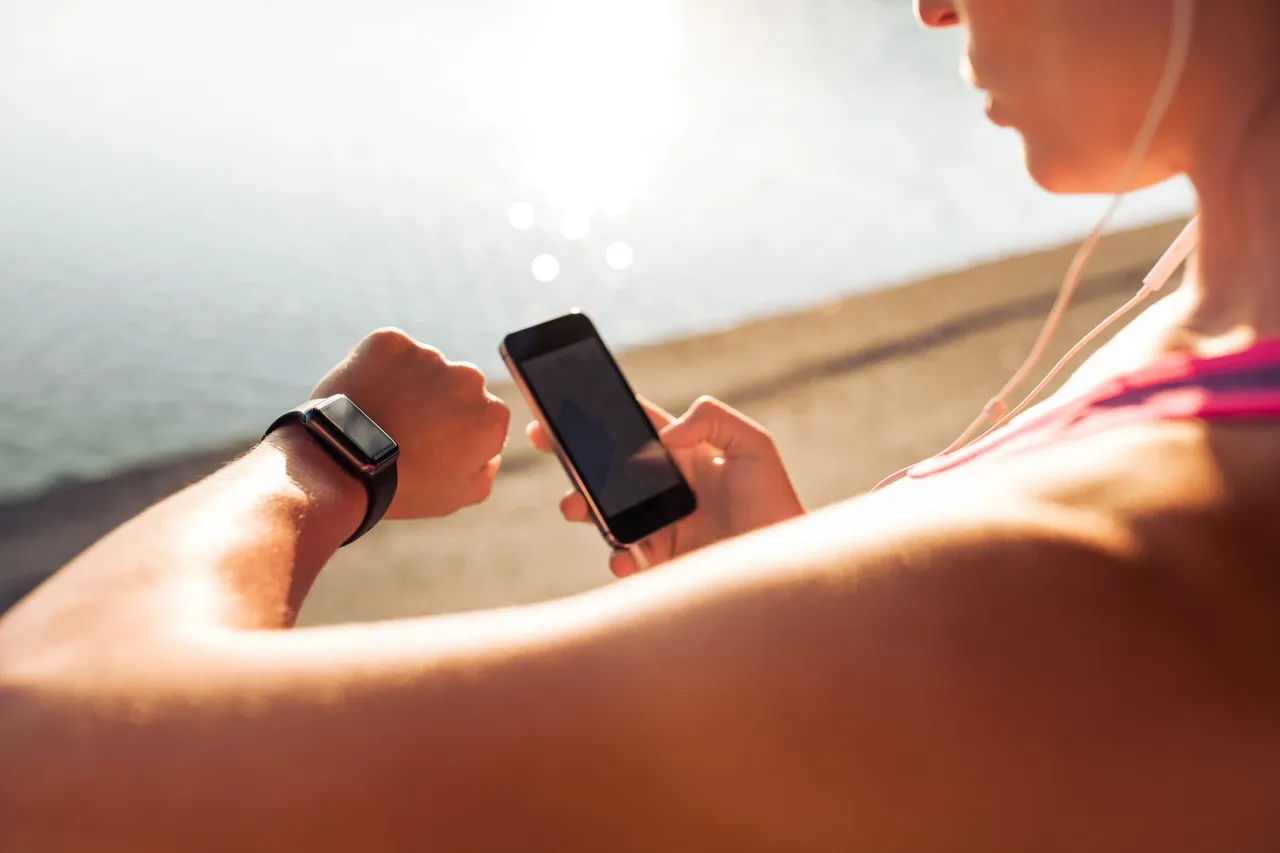
The promise of precision eating is seductive: continuous glucose monitors, smartwatches, and AI-powered apps that tell you exactly how your body will respond to every meal. No more guessing, no more one-size-fits-all dietary advice—just personalized, data-driven nutrition optimized for your unique metabolism. But beneath this futuristic vision lies a more complicated reality.
Quick Take
- A landmark 2015 study using machine learning successfully predicted individual blood sugar responses to foods, demonstrating that generic dietary advice is often inadequate.
- Continuous glucose monitors (CGMs) are FDA-approved only for people with diabetes, and experts warn that healthy users may misinterpret normal glucose fluctuations as health problems.
- No smartwatch or smart ring is currently FDA-approved to measure blood glucose directly; devices making this claim are unregulated and potentially dangerous.
- While AI-powered nutrition apps can offer personalized insights, they are expensive, require professional guidance, and cannot replace foundational healthy habits.
Can Technology Really Predict How Your Body Responds to Food?
Direct Answer: Yes, to a meaningful extent. A groundbreaking 2015 study demonstrated that machine-learning algorithms could accurately predict individual blood sugar responses to specific foods using personal and microbiome data, proving that one-size-fits-all dietary advice is scientifically obsolete.
Explanation & Evidence
The landmark study published in Cell tracked 800 adults using continuous glucose monitors and collected extensive data on their diet, lifestyle, and gut microbiome. Researchers then fed this information into a machine-learning algorithm, which successfully predicted each person’s unique glycemic response to different foods. The study revealed dramatic individual variability: one person’s blood sugar might spike after eating a banana while another’s remained stable, challenging the universal dietary recommendations that dominate public health messaging.
The findings suggested that one person’s blood sugar can spike after oatmeal while another’s barely moves—making one-size-fits-all diets obsolete.
Analysis & Application
This research validates the core premise of precision eating: your body’s response to food is uniquely yours, shaped by genetics, gut bacteria, and lifestyle. Generic advice like “eat oatmeal for stable blood sugar” may work brilliantly for some and fail miserably for others. The technology exists to uncover these individual patterns, but accessing and interpreting that data requires sophistication.
Your Application
If you’re curious about your personal glucose responses, consider a supervised trial with a registered dietitian who can help you interpret CGM data correctly. Focus on identifying one or two surprising food responses rather than attempting to optimize every meal.
Are Continuous Glucose Monitors Accurate and Safe for Healthy People?
Direct Answer: CGMs are accurate devices, but they are FDA-approved only for people with diabetes. For healthy individuals, the data may not correlate with long-term health markers, and constant monitoring can fuel anxiety and disordered eating behaviors.
Explanation & Evidence
CGMs measure glucose in interstitial fluid, not blood, creating a 5-15 minute lag time compared to fingerstick tests. While they correlate well with HbA1c in diabetics, researchers at Mass General Brigham found that metrics like “time in range” do not match HbA1c in people without diabetes, meaning perfect CGM scores don’t necessarily predict better long-term health.
Dr. Archana Sadhu of Houston Methodist highlights three concerns for healthy users: the devices were designed and tested on diabetics, not the general population; there is little guidance on interpreting normal fluctuations, which can be misread as problems; and constant monitoring can fuel anxiety and unhealthy eating behaviors.
Doctors warn that healthy users can obsess over small changes and adopt restrictive diets that do more harm than good.
Analysis & Application
The problem isn’t the device—it’s the user and the lack of context. A healthy person’s glucose naturally rises and falls between 70-140 mg/dL after eating. Without professional guidance, these normal variations can trigger unnecessary fear and extreme dietary restriction. The technology outpaces the education required to use it wisely.
Your Application
If you use a CGM without diabetes, work with a healthcare professional to establish what “normal” looks like for you. Do not make drastic dietary changes based on single readings or minor fluctuations.
Can Your Smartwatch Really Measure Blood Sugar?
Direct Answer: No. The FDA has issued a formal warning that no smartwatch or smart ring is currently approved to measure blood glucose non-invasively. Devices making this claim are unregulated and may provide dangerous inaccuracies.
Explanation & Evidence
Consumer wearables like the Apple Watch can display glucose data from approved CGMs such as the Dexcom G7, but they cannot measure glucose directly. The FDA’s warning targets companies marketing watches or rings that claim to measure blood glucose without piercing the skin—a technology that does not yet exist in a validated, approved form for consumer use.
The U.S. Food and Drug Administration warns that no smartwatch or smart ring is currently approved to measure blood glucose. Devices that claim to read blood glucose non-invasively are unregulated and may provide inaccurate readings.
Analysis & Application
This distinction matters because inaccurate readings can lead to dangerous decisions. A healthy person might restrict food unnecessarily, while someone with undiagnosed diabetes might miss critical warning signs. The integration of CGM data with wearables is powerful when done correctly, but the wearable itself cannot generate the data.
Your Application
Use your smartwatch to display CGM data from an FDA-approved device, not to measure glucose directly. Verify that any device you use has regulatory approval and consult your healthcare provider before acting on the data.
Do AI Nutrition Apps Actually Deliver Personalized Advice?
Direct Answer: Yes, but with important caveats. AI apps can synthesize data from CGMs, meal logs, and wearables to generate personalized recommendations, but these suggestions are best viewed as guidance rather than prescriptions, and the evidence for long-term benefits in healthy populations remains limited.
Explanation & Evidence
AI-powered nutrition apps work by creating a “nutritional fingerprint” based on your data: what you eat, how your glucose responds, your activity levels, and sometimes your microbiome profile. Machine-learning algorithms then identify patterns and suggest adjustments. The 2015 study proved this approach can work: when participants followed personalized diet plans generated by the algorithm, their glycemic variability improved more than those on a standard Mediterranean diet.
However, researchers at Mass General Brigham caution that these benefits haven’t been proven to translate into meaningful long-term health outcomes for the general population. The cost is also significant—CGMs cost hundreds of dollars monthly, and AI apps often charge subscription fees.
When participants followed these personalized diet plans, their glycemic variability improved more than those on a standard Mediterranean diet.
Analysis & Application
AI nutrition tools are most valuable for identifying specific problem foods you might not suspect—like a “healthy” smoothie that spikes your glucose. They are less valuable for general guidance, where basic principles like eating vegetables and protein with every meal already cover most cases.
Your Application
Use AI apps as discovery tools, not rulebooks. If an app flags a food that spikes your glucose, test it yourself a few times to confirm. Use the insight to make small adjustments, like pairing that food with protein or eating it earlier in the day.
FAQ: Your Precision Eating Questions, Answered
Q: Is precision eating only for people with diabetes?
A: No, anyone can explore how foods affect their blood sugar. However, healthy users should approach CGM data with caution and ideally under professional supervision. CGMs are not approved for non-diabetic use and may not predict long-term health outcomes accurately.
Q: How do AI nutrition apps know what I should eat?
A: They use machine learning to analyze your data—meal logs, CGM readings, activity, and sometimes microbiome tests—to identify patterns in your glucose responses. They learn which foods consistently spike your glucose and which keep it stable, then offer recommendations based on these patterns.
Q: Are CGMs safe for long-term use?
A: Yes, when used as intended. However, they are medical devices, and misuse can lead to skin irritation, infection, or data misinterpretation. Only FDA-approved devices should be used, and insertion should follow the manufacturer’s directions.
Q: What if my glucose spikes when I eat fruit or whole grains?
A: Some healthy foods cause brief spikes but also deliver fiber, vitamins, and antioxidants. Look at patterns rather than single readings. Pairing carbohydrates with protein and healthy fats can moderate the response without eliminating nutritious foods.
Q: Can precision eating replace my doctor’s advice?
A: Absolutely not. Precision eating is a tool for self-discovery, not a substitute for medical care. Always consult healthcare providers for diagnosis, treatment, and major dietary changes.
The future of nutrition is undoubtedly personalized, and the tools of precision eating—CGMs, wearables, and AI—offer unprecedented insight into your body’s unique responses. But technology is not wisdom. The same devices that empower self-discovery can also fuel anxiety, misinterpretation, and expensive habits that deliver little real benefit.
The most effective approach combines the best of both worlds: use data to uncover surprising patterns, but ground your decisions in foundational nutrition principles, professional guidance, and the simple act of listening to your body. Precision eating is a powerful addition to your health toolkit, but it is not the toolkit itself.
This article is for informational purposes only and does not constitute medical advice. Always consult with a qualified healthcare provider before using CGMs, starting new dietary protocols, or making significant changes to your health regimen.
Share :

