
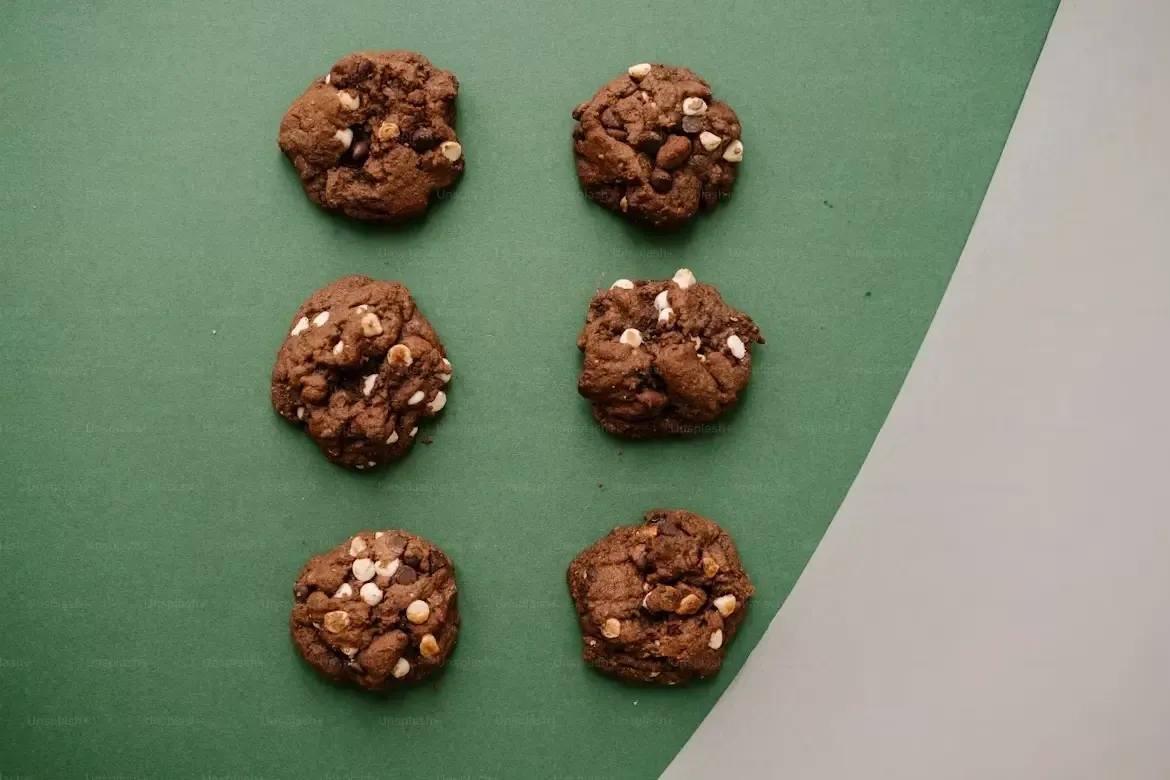
Quick Take
- Protein cookies can act as a convenient post-workout recovery aid, delivering protein and carbs when a real meal isn’t possible.
- Quality varies wildly: the best are high in protein and fiber with minimal added sugar, while others are just glorified candy.
- Homemade versions offer full ingredient control and can be a fun, healthier alternative to complex store-bought options.
- Strategic timing—like after a workout or as a high-protein snack—is key to making them a useful tool, not a diet derailer.
The word “cookie” rarely conjures images of a health food. But what if you could have a treat that actually helps you recover from a workout, keeps you full for hours, and satisfies a sweet tooth without the sugar crash? Enter the protein cookie, the snack that promises to bridge the gap between indulgence and nutrition. As searches for these functional treats surge, it’s clear they’ve moved from niche bodybuilder fare to mainstream snack aisles.
But here’s the crucial question everyone is asking: are they a legitimate tool for your fitness goals, or just clever marketing wrapped in a cookie? The truth, as with most things in nutrition, is nuanced. At BeeFit.ai, we believe in data-driven clarity. This article cuts through the hype to reveal when a protein cookie is a smart strategic snack, when it’s just empty calories in disguise, and how to make or choose one that truly delivers on its promises.
Can a Cookie Really Be a Good Post-Workout Snack?
Direct Answer: Yes, a well-formulated protein cookie can be an effective and convenient post-workout option, providing the crucial combination of protein for muscle repair and carbohydrates to replenish energy stores.
Explanation & Evidence:
After a workout, your muscles need two things: amino acids from protein to repair and grow, and carbohydrates to restore glycogen (stored energy). A cookie containing 15-20g of quality protein and a moderate amount of carbs fits this recovery window perfectly. It’s a portable, palatable alternative to a shake when you’re on the go.
Key Insight: As one fitness blog notes, “Carbs are necessary to prevent muscle breakdown and increase protein synthesis, while protein provides your muscles with essential amino acids”.
Analysis & Application:
This redefines a “cookie” from a cheat meal to a functional recovery tool. The convenience factor is huge—no mixing, no blender, just unwrap and eat.
Your Application: Keep a high-quality protein cookie in your gym bag for those days when you can’t get a solid meal within an hour of training. Look for one with a 2:1 or 3:1 carb-to-protein ratio for optimal recovery.
What’s the Real Difference Between a Protein Cookie and a Regular Cookie?
Direct Answer: The difference is in the macros and the motive. A true protein cookie is formulated to be a functional snack, prioritizing high protein and fiber with controlled sugar, while a regular cookie is purely a treat focused on taste with refined carbs and sugars as the main ingredients.
Explanation & Evidence:
Compare the labels. A standard chocolate chip cookie might have 2-3 grams of protein and 15+ grams of sugar. A purpose-made protein cookie flips this, offering 12-20g of protein from sources like whey, casein, or pea protein, and often uses sugar substitutes or minimal added sugar to keep the count low. It also typically includes fiber for satiety.
Analysis & Application:
The “protein” label doesn’t automatically mean “healthy.” Some products are “protein-washed”—they contain just enough protein to use the label but are still packed with junk.
Your Application: Become a label detective. Prioritize cookies where protein is the first or second ingredient, added sugar is under 5g, and the fiber content is at least 3g per serving. Avoid long lists with unrecognizable additives.
Is Homemade Always Better Than Store-Bought?
Direct Answer: For ingredient control, cost, and customization, yes. For convenience, consistency, and shelf-life, store-bought wins. The best choice depends on your personal priorities, time, and baking skills.
Explanation & Evidence:
Homemade cookies give you complete command. You choose the protein powder (experts recommend simple whey protein for best baking results), natural sweeteners like mashed banana or honey, and healthy fats from nut butter. This avoids the sugar alcohols, artificial sweeteners, and preservatives common in commercial versions.
Recipe Tip: A popular clean recipe uses just three core ingredients: “banana, peanut butter, protein powder” for a simple, nutrient-dense base.
Analysis & Application:
Baking at home transforms the cookie from a processed product into a whole-food-based snack. You can tailor macros to your diet and make them allergen-friendly.
Your Application: Try a simple recipe this weekend. Batch-make, wrap individually, and freeze. You’ll have a stash of healthy, cost-effective snacks ready to go. If buying, stick to trusted brands with transparent, short ingredient lists.
What Are the Hidden Pitfalls in “Healthy” Protein Cookies?
Direct Answer: The most common pitfalls are excessive sugar alcohols causing digestive distress, misleading “low-sugar” claims hiding unhealthy fats, and an over-reliance on processed ingredients that contradict their healthy image.
Explanation & Evidence:
To keep sugar content low, many manufacturers use sugar alcohols like maltitol and sorbitol. For some people, these can cause significant bloating, gas, and discomfort. Other cookies compensate for low sugar with high amounts of saturated or processed fats to maintain texture and taste. Furthermore, some protein blends use low-quality isolates and fillers.
Analysis & Application:
A cookie that upsets your stomach or is packed with palm oil isn’t supporting your health goals, no matter its protein count.
Your Application: Read the full ingredient list, not just the nutrition panel. If you’re sensitive, avoid maltitol. Look for cookies using natural sweeteners like stevia or monk fruit and fats from sources like nuts or cocoa butter.
Should a Protein Cookie Ever Replace a Meal?
Direct Answer: No, protein cookies are designed as a supplement or snack, not a meal replacement. They lack the comprehensive nutrient profile—vitamins, minerals, and phytonutrients—found in a balanced meal of whole foods.
Explanation & Evidence:
While a cookie might match the calories and macros of a small meal, it cannot replicate the nutritional complexity of real food. A chicken breast with quinoa and broccoli provides a wide spectrum of nutrients that support all bodily functions, not just muscle synthesis. Relying on processed cookies can lead to nutritional imbalances over time.
Analysis & Application:
Think of a protein cookie as a useful bridge between meals or a targeted recovery tool.
Your Application: Use them strategically: as a post-workout fix when short on time, a mid-afternoon satiety booster to avoid vending machine runs, or a pre-bed casein-based snack to support overnight recovery. Your primary nutrition should always come from varied, whole foods.
FAQ: Your Protein Cookie Questions, Answered
Q: Are protein cookies good for weight loss?
A: They can be a helpful tool if they help you manage hunger and stay within your calorie goals. Their protein and fiber increase satiety, which can prevent overeating later. However, they are still a calorie-dense food, so portion control is essential.
Q: I’m diabetic. Can I eat protein cookies?
A: You must choose carefully. Opt for cookies with very low added sugar (<5g), high fiber, and no high-glycemic sweeteners. Always check with your healthcare provider, as individual blood sugar responses can vary. Homemade cookies with sugar-free sweeteners give you the most control.
Q: Are popular brands like Quest or Lenny & Larry’s healthy?
A: “Healthy” is relative. Compared to a regular cookie, they are a better option due to higher protein. However, dietitian reviews note they are still highly processed treats with long ingredient lists and should not be mistaken for whole-food nutrition.
Q: Can I bake with any protein powder?
A: Not all powders bake well. Whey protein isolate or concentrate tends to yield the best texture. Vegan powders (pea, brown rice) can make baked goods dry or gritty. For best results, use a powder designed for baking or recommended in trusted recipes.
The Final Bite: A Tool, Not a Treasure
Protein cookies occupy a unique space in modern nutrition—they are a testament to the demand for convenience without total compromise. When chosen or made wisely and used with strategic intent, they are a far cry from the empty calories of their traditional counterparts. They can stave off hunger, fuel recovery, and make healthy eating more sustainable.
Yet, they are not magic. They are a single tool in a much larger nutritional toolbox. The foundation of your health will always be built on vegetables, fruits, lean proteins, and whole grains. The protein cookie’s real value is in helping you stay on that foundational path when life gets busy.
So, what’s your priority—ultimate convenience or total ingredient control? Your answer will guide you to the right cookie for your jar.
For more guidance on smart post-workout nutrition, explore our article on Perfecting Your Post-Workout Meal at BeeFit.ai.
This article is for informational purposes only and is not a substitute for professional medical or dietary advice. Always consult a registered dietitian or healthcare provider before making significant changes to your diet.
Share :

