
Quick Take
- Quinoa is a complete protein, providing all nine essential amino acids, while rice must be paired with other foods to achieve a complete amino acid profile.
- Brown rice and quinoa offer similar fiber content, but quinoa delivers nearly twice the protein per cooked cup.
- White rice is a fast-digesting carbohydrate ideal for quick energy replenishment, especially around workouts.
- For blood sugar management and satiety, quinoa’s combination of higher protein and fiber gives it a metabolic edge.
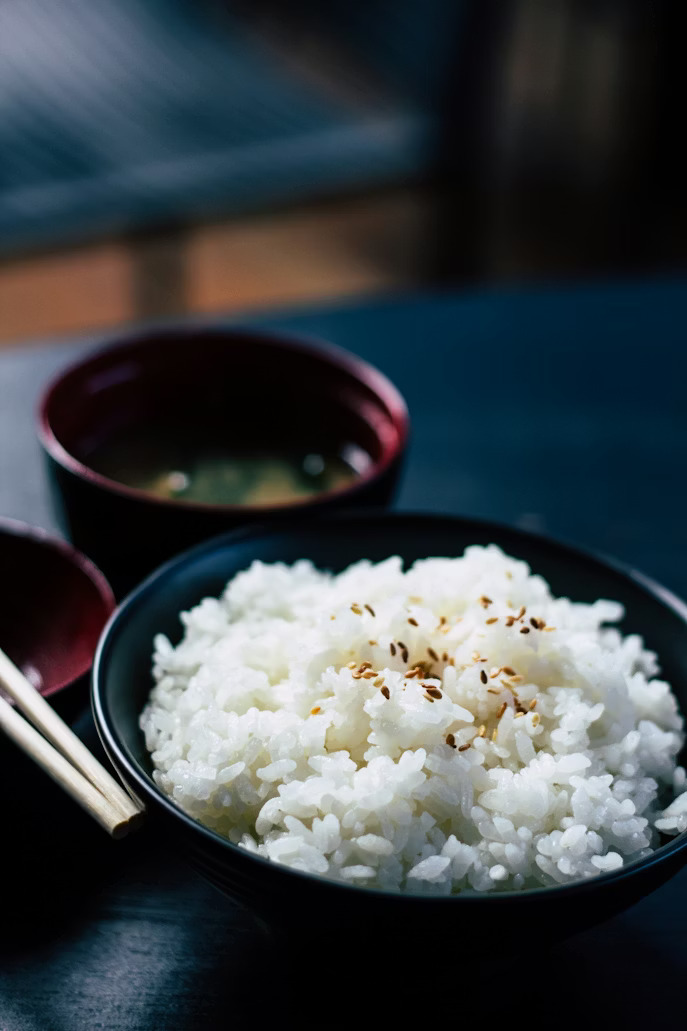
The great grain debate often centers on two pantry staples: the ancient, protein-packed seed known as quinoa, and the ubiquitous, energy-providing staple, rice. While both serve as foundational carbohydrates, their nutritional philosophies differ. Choosing between them isn’t about declaring one “good” and the other “bad”—it’s about matching their unique properties to your health goals, from muscle recovery to digestive comfort.
Let’s settle the plate with a detailed, evidence-based comparison.
Is Quinoa Really a Complete Protein?
Direct Answer
Yes. Quinoa is one of the few plant foods considered a complete protein, meaning it contains all nine essential amino acids your body cannot produce on its own, in sufficient quantities.
Explanation & Evidence
The quality of a protein is determined by its amino acid profile. While most grains are low in the amino acid lysine, quinoa is uniquely rich in it. This makes it a exceptional protein source for muscle repair, enzyme production, and overall bodily function, particularly for those on plant-based diets.
The Food and Agriculture Organization (FAO) recognizes quinoa’s protein quality, noting its “balanced set of essential amino acids, resembling the amino acid pattern found in human milk and egg.”
Rice, especially brown rice, contains protein but is low in lysine, making it an “incomplete” protein. To get a complete profile from rice, you need to pair it with a lysine-rich food like legumes.
Your Application
If you’re looking to boost plant-based protein intake for satiety or muscle support, prioritize quinoa. A one-cup serving of cooked quinoa provides about 8 grams of complete protein.
Which Is Better for Blood Sugar Control: Brown Rice or Quinoa?
Direct Answer
Quinoa generally has a more favorable impact on blood sugar due to its higher protein and fiber content, which slows digestion and the release of glucose into the bloodstream.
Explanation & Evidence
The Glycemic Index (GI) measures how quickly a food raises blood sugar. Quinoa typically has a lower GI (around 53) compared to brown rice (approx. 68). This difference is attributed to quinoa’s unique nutritional matrix. Its higher fiber and protein content increase the thermic effect of food and improve insulin sensitivity.
A study in the British Journal of Nutrition found that “quinoa consumption resulted in lower post-meal blood glucose and insulin levels compared to both gluten-free bread and traditional wheat bread,” highlighting its metabolic benefits.
While brown rice is a whole grain and superior to white rice, quinoa’s structural advantage makes it a stronger choice for sustained energy and metabolic health.
Your Application
For balanced meals that prevent energy crashes, choose quinoa. Its protein and fiber will help modulate your blood sugar response, keeping you fuller and more energized for longer.
When Is White Rice the Superior Choice?
Direct Answer
White rice is the superior choice when the goal is rapid glycogen replenishment with minimal digestive bulk, such as immediately before, during, or after intense or prolonged exercise.
Explanation & Evidence
Athletes and active individuals have different nutritional needs at different times. White rice is a refined, easily digestible carbohydrate. Its bran and germ have been removed, stripping away fiber and some nutrients but making it very low in residue and fast-absorbing. This allows for quick energy delivery without gastrointestinal distress during competition or for efficiently refilling muscle glycogen stores post-workout.
Sports nutrition protocols often recommend fast-digesting carbs like white rice in the post-exercise “anabolic window” to “rapidly stimulate insulin release and drive glycogen synthesis and muscle protein repair.”
In this context, its “inferior” nutritional profile is actually its functional benefit.
Your Application
In a pre or post-workout meal, pair a serving of white rice with a lean protein source. For general meals focused on nutrition and satiety, opt for brown rice or quinoa.
How Do Their Micronutrient Profiles Compare?
Direct Answer
Quinoa is significantly richer in key minerals like iron, magnesium, and folate, while brown rice provides more selenium and is a good source of B vitamins, particularly B6.
Explanation & Evidence
A cup of cooked quinoa provides about 15% of the Daily Value (DV) for iron and over 30% for magnesium—minerals crucial for oxygen transport and muscle function. It’s also a great source of folate. Brown rice excels in providing manganese (essential for metabolism) and selenium (a powerful antioxidant). White rice is often enriched with iron and B vitamins to replace some lost during processing.
A comparative analysis in the Journal of Food Science and Technology concluded that “quinoa has a markedly higher content of calcium, iron, and zinc compared to common cereals like rice and wheat.”
Your choice can help address specific nutrient gaps in your diet.
Your Application
To boost iron and magnesium intake (common deficiencies, especially in active women), choose quinoa. For a natural source of the antioxidant selenium, a serving of brown rice is an excellent choice.
Can Your Digestive System Tolerate Both?
Direct Answer
For individuals with sensitive guts, IBS, or during flare-ups of digestive conditions, white rice is often the safest, most easily tolerated option due to its low fiber and FODMAP content.
Explanation & Evidence
While fiber is beneficial for most, it can exacerbate symptoms for those with functional gut disorders. White rice is low-FODMAP and provides bland, easily digestible calories. Brown rice contains more fiber and traces of phytic acid, which can cause bloating in some. Quinoa contains saponins (a natural coating) that can be mildly irritating if not rinsed thoroughly before cooking.
The Monash University Low FODMAP Diet app, the gold-standard for IBS management, lists white rice as a “green light” safe food, while quinoa is only safe in limited, controlled servings.
Digestive comfort is a non-negotiable part of nutrition.
Your Application
If you have a sensitive stomach or are recovering from a stomach bug, white rice is your go-to. Always rinse quinoa thoroughly under cold water before cooking to remove saponins and improve digestibility.
FAQ: Your Rice vs. Quinoa Questions, Answered
Q: Is quinoa or rice better for weight loss?
A: Quinoa may have a slight edge due to its higher protein and fiber, which enhance satiety and can help reduce overall calorie intake. However, portion control and the overall balance of your meal are far more important than the grain choice alone. Neither is inherently “fattening.”
Q: Can I eat quinoa if I’m gluten-free?
A: Yes. Quinoa is naturally gluten-free and is an excellent nutrient-dense carbohydrate choice for those with celiac disease or gluten sensitivity. Ensure it’s certified gluten-free if cross-contamination is a concern.
Q: Which has more calories, rice or quinoa?
A: They are very similar. One cup of cooked quinoa has about 220 calories, while one cup of cooked brown rice has about 215 calories. The difference is negligible; the key distinction is in the source of those calories (protein vs. carbs).
Q: Is brown rice healthier than white rice?
A: In terms of whole-food nutrition, yes. Brown rice retains its bran and germ, providing more fiber, vitamins, and minerals. White rice is stripped of these during processing, though it is often enriched. For daily meals, brown rice is the more nutrient-rich choice.
Q: How do I cook quinoa so it’s not bitter?
A: The bitterness comes from saponins, a natural coating. Always rinse quinoa in a fine-mesh strainer under cold running water for at least 60 seconds before cooking. Toasting it in a dry pan for a few minutes after rinsing can also enhance its nutty flavor.
The verdict isn’t a winner-takes-all. Quinoa is the champion for nutrient density, protein completeness, and blood sugar stability. White rice is the specialist for digestive ease and rapid energy needs. Brown rice is the reliable, nutritious whole-grain workhorse.
Intelligent eating means having all three in your arsenal, deploying each for the task at hand. By understanding their unique strengths, you can move beyond the debate and make every meal intentionally nourishing.
Want to build better meals? Explore our guide to creating perfectly balanced plates for any goal at BeeFit.ai.
This article is for informational purposes only and is not a substitute for professional medical advice, diagnosis, or treatment. Always seek the advice of your physician or a registered dietitian before making significant changes to your diet.
Share :

