
Quick Take
- The relationship between saturated fat and heart disease is complex, with recent large studies finding no direct link for the general population.
- Olive oil is a standout; consuming over 0.5 tablespoons daily is linked to a 14% lower risk of heart disease.
- The type of saturated fat matters: long-chain fats in red meat behave differently than medium-chain fats in coconut oil.
- Health guidelines recommend keeping saturated fat under 10% of daily calories, with unsaturated fats making up the majority of fat intake.
Fat is an essential nutrient that fuels your body, supports hormone production, and helps absorb key vitamins. But not all fats function the same way in your body. Understanding the differences between saturated and unsaturated fats can help you make smarter dietary choices for long-term health.
Here’s a breakdown of how these fats compare, their impact on health, and practical ways to include the right types in your diet.
What Is Saturated Fat?
Saturated fats have a simple molecular structure with no double bonds, meaning they are packed with hydrogen atoms. This makes them solid at room temperature and commonly found in animal products and certain tropical oils.
Common Sources of Saturated Fat:
- Butter
- Lard
- Coconut oil
- Palm oil
- Red meat
- Heavy cream
- Cheese
For decades, health guidelines have advised limiting saturated fats due to concerns about heart disease. However, recent research challenges the idea that all saturated fat is harmful.
Health Effects of Saturated Fat
Heart Health
Saturated fats have been linked to higher LDL (“bad”) cholesterol, which can increase the risk of heart disease. However, newer studies suggest a more complex picture:
- A 2021 review found no direct link between saturated fat intake and increased heart disease risk.
- The PURE study, which tracked 135,000 people over 10 years, found no association between saturated fat consumption and heart disease, stroke, or cardiovascular death.
Type Matters
Not all saturated fats act the same way in the body.
- Short-chain saturated fatty acids (SCSFAs): Produced in the gut from fiber fermentation and may benefit digestion.
- Medium-chain saturated fatty acids (MCSFAs): Found in coconut oil and dairy, and linked to faster energy metabolism.
- Long-chain saturated fatty acids (LCSFAs): Found in red meat and butter, and associated with higher cholesterol levels.
Cancer Risk
Some studies suggest high saturated fat intake may increase the risk of colorectal cancer, but more research is needed to confirm this connection.
What Is Unsaturated Fat?
Unsaturated fats are liquid at room temperature and generally considered the healthier type of fat. They come in two main forms:
- Monounsaturated fats: Contain one double bond.
- Polyunsaturated fats: Contain multiple double bonds.
Common Sources of Unsaturated Fat:
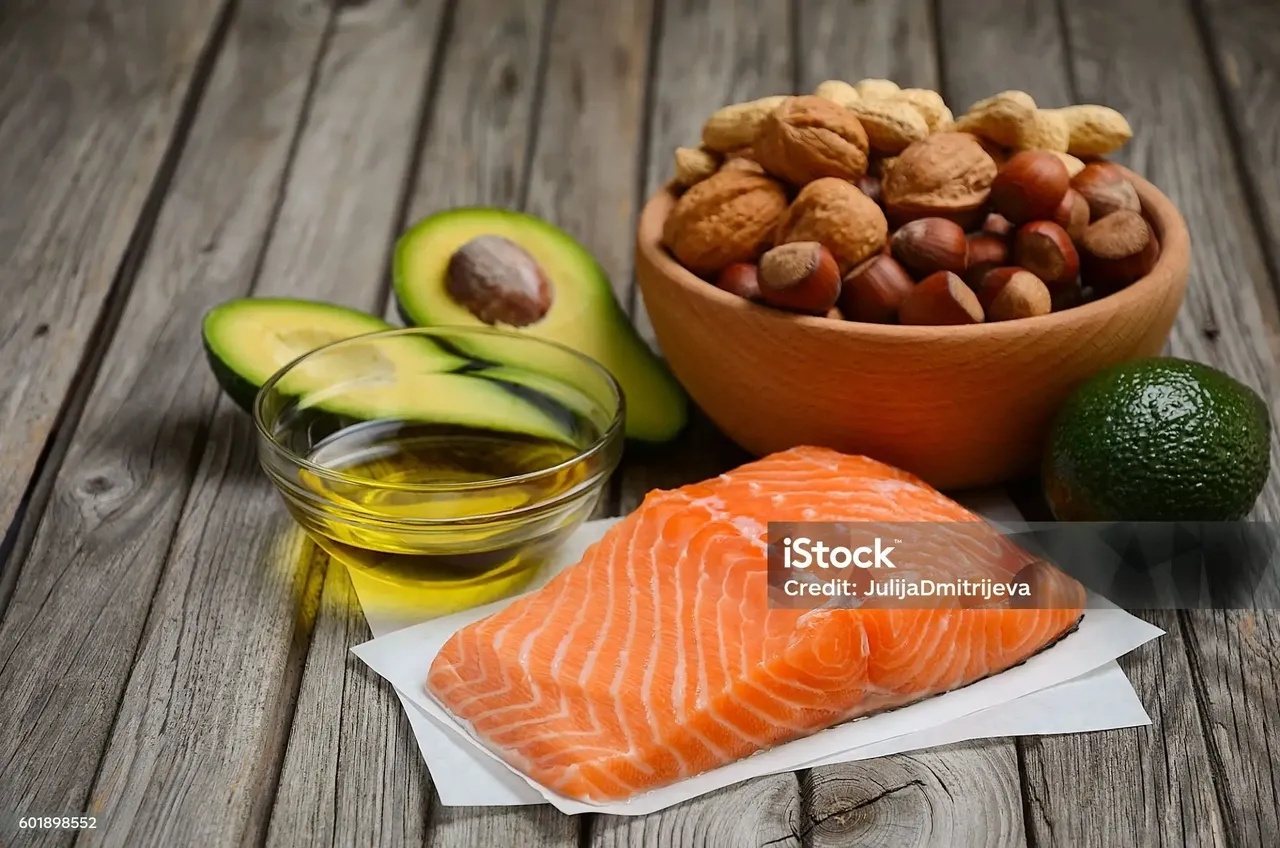
- Monounsaturated fats: Olive oil, avocados, nuts, canola oil.
- Polyunsaturated fats: Fatty fish (salmon, mackerel), walnuts, flaxseeds, sunflower oil.
Health Effects of Unsaturated Fat
Supports Heart Health
- A 2020 study found that people who consumed more than 0.5 tablespoons of olive oil daily had a 14% lower risk of heart disease.
- Plant-based monounsaturated fats, like those in nuts and avocados, were linked to a 20% lower risk of death from heart disease compared to saturated fats.
Reduces Inflammation
Polyunsaturated fats, especially omega-3 fatty acids, have powerful anti-inflammatory effects.
- DHA and EPA, found in fatty fish, help lower inflammation and reduce the risk of heart disease and arthritis.
May Lower Cancer and Chronic Disease Risk
Studies suggest that diets high in unsaturated fats are linked to lower risks of cancer and improved longevity.
How Much Fat Should You Eat?
Health organizations recommend balancing fat intake to support overall health:
- Total fat: 20–35% of daily calories (based on a 2,000-calorie diet).
- Saturated fat: No more than 10% of daily calories, ideally less than 6%.
- Unsaturated fat: Should make up the majority of fat intake.
For someone consuming 2,000 calories a day, this means:
- Less than 13 grams of saturated fat daily.
- Prioritizing unsaturated fats from plant-based sources like olive oil, nuts, and avocados.
How to Make Better Fat Choices
Switch to Healthier Cooking Oils
Replace butter and margarine with olive oil, avocado oil, or canola oil.
Snack on Nuts and Seeds
Almonds, walnuts, and chia seeds provide healthy fats and essential nutrients.
Include Fatty Fish in Your Diet
Aim for two servings of fatty fish per week for heart-protective omega-3s.
Moderate Red Meat Consumption
Choose leaner cuts, swap in plant-based proteins, or eat poultry and fish more often.
Limit Processed and Fried Foods
Many processed foods contain unhealthy trans fats, which should be avoided entirely.
Quick Comparison: Saturated vs. Unsaturated Fat
Saturated fats are primarily found in animal products and tropical oils, while unsaturated fats come mostly from plant-based foods and fish. Saturated fats have been linked to increased LDL (“bad”) cholesterol, though recent research suggests the relationship with heart disease is not as straightforward as once believed. On the other hand, unsaturated fats actively improve cholesterol balance and support overall heart and brain health.
Unsaturated fats, particularly those from sources like olive oil, nuts, and fatty fish, have strong anti-inflammatory properties and are associated with a lower risk of chronic diseases. While saturated fats can be included in moderation as part of a balanced diet, prioritizing unsaturated fats is the best approach for long-term health.
FAQ: Your Dietary Fat Questions, Answered
Q: Is butter bad for me?
A: Not inherently, but it should be used in moderation. Butter is high in long-chain saturated fats, which can raise LDL (“bad”) cholesterol for some people. For everyday cooking, oils like olive or avocado oil are healthier primary choices, with butter used occasionally for flavor.
Q: What’s the healthiest oil for cooking?
A: For medium-heat cooking, olive oil and avocado oil are excellent choices due to their high monounsaturated fat content and stability. For high-heat searing, avocado oil and refined coconut oil have higher smoke points. Avoid reusing oils multiple times.
Q: I keep hearing coconut oil is a “superfood.” Is it healthy?
A: It’s neutral to slightly beneficial for some. Coconut oil is unique—it’s mostly saturated fat, but rich in Medium-Chain Triglycerides (MCTs) that are metabolized differently. It may slightly raise HDL (“good”) cholesterol but can also raise LDL. It’s not a heart-healthy oil to use in excess; view it as an occasional alternative, not a daily staple.
Q: Are all unsaturated fats equally good?
A: Mostly, but there’s a hierarchy. Monounsaturated fats (olive oil, avocados, nuts) and omega-3 polyunsaturated fats (fatty fish, walnuts, flaxseeds) are the healthiest. Omega-6 polyunsaturated fats (common in soybean, corn oil) are essential but are over-consumed in modern diets; balancing them with more omega-3s is ideal.
Q: Should I actively try to lower my cholesterol by avoiding saturated fat?
A: It depends on your individual health. If you have high LDL cholesterol, familial hypercholesterolemia, or existing heart disease, reducing saturated fat is a primary dietary strategy. For a generally healthy individual, the focus should be on an overall balanced diet rich in plants, fiber, and unsaturated fats, rather than obsessive fat avoidance.
Additional Reading:
By understanding the differences between saturated and unsaturated fats, you can make informed choices to support your health goals while enjoying a diverse and flavorful diet.
This article is based on my personal experiences and opinions. It is not intended as medical advice or a substitute for professional guidance. Always consult a qualified professional or healthcare provider for personalized advice regarding your health and wellness.
Share :

