
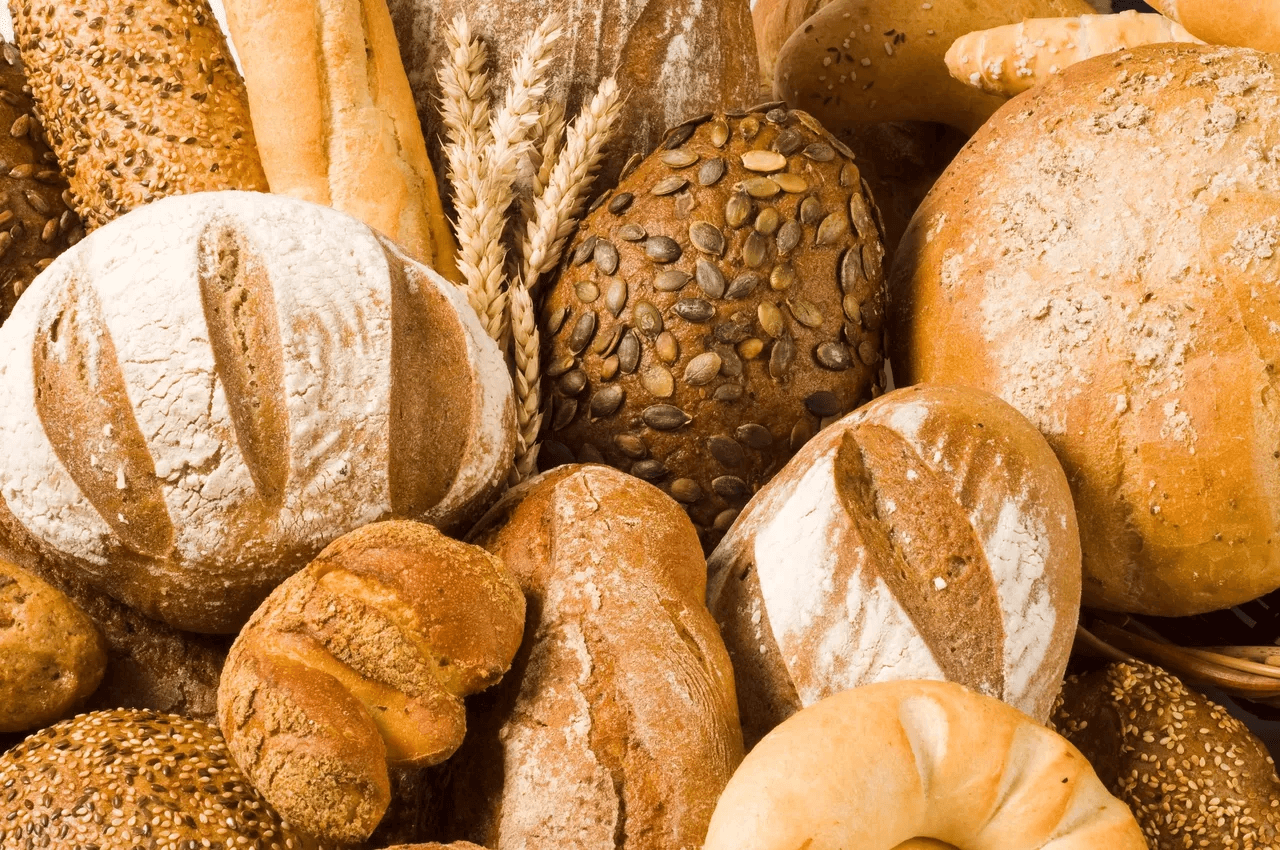
Quick Take
Not all bread is equal. Sourdough bread stands out for its health benefits from easier digestion and better blood sugar control to enhanced nutrient absorption and natural shelf stability. Backed by studies and perfect for daily meals, this post walks you through why real sourdough deserves a spot in your kitchen.
Why Bread Quality Matters
In today’s wellness landscape, consumers are asking better questions about food quality. Searches like “best bread for digestion,” “healthy bread for weight loss,” and “gut-friendly bread” are trending. The answer for many? Sourdough.
Unlike white or commercial whole wheat bread, real sourdough is fermented slowly using wild yeast and lactic acid bacteria. This process unlocks key nutritional advantages—and makes it easier on your body.
1. It’s Easier to Digest
If bread leaves you bloated or sluggish, you’re not alone. Many commercial loaves are made with refined flour, fast-rising yeast, and additives that don’t sit well with sensitive stomachs.
Sourdough, by contrast, is fermented over many hours. This breaks down some of the gluten and starch, making the bread gentler on digestion. A clinical study published in the Journal of Agricultural and Food Chemistry found that sourdough fermentation reduces gluten concentration and improves tolerance in sensitive individuals (source).
2. It Helps You Absorb More Nutrients
Whole grains contain phytic acid, a naturally occurring compound that blocks your body from absorbing minerals like iron, zinc, and magnesium.
Long fermentation in sourdough bread breaks down phytic acid. This means your body can actually use the nutrients found in whole grain flour. A study in Food Chemistry found that sourdough bread significantly improves mineral bioavailability compared to quick-rise yeast breads (source).
3. It Supports Blood Sugar Balance
Sourdough’s fermentation process produces organic acids that slow carbohydrate digestion. That translates to fewer blood sugar spikes—and steadier energy.
In one study, sourdough bread had a glycemic index of 54, compared to 70 for standard white bread. That’s a meaningful difference for people looking to manage blood sugar levels, energy dips, or long-term metabolic health.
4. It Supports a Healthy Gut
While sourdough bread doesn’t contain live probiotics (they don’t survive baking), the fermentation process still offers gut benefits. Sourdough acts as a prebiotic—feeding the beneficial bacteria in your gut.
A 2020 review in Frontiers in Nutrition concluded that fermented foods improve gut microbiota diversity and support digestion and immune function (source).
5. It Keeps Longer — Naturally
Sourdough bread is less prone to mold and spoilage than commercial bread—and it does this without chemical preservatives. The lactic acid in sourdough acts as a natural preservative, reducing the need for additives like calcium propionate.
How to Eat Sourdough the Clean Way
Here’s how to use sourdough in a clean, balanced meal plan—without losing flavor or nutrition.
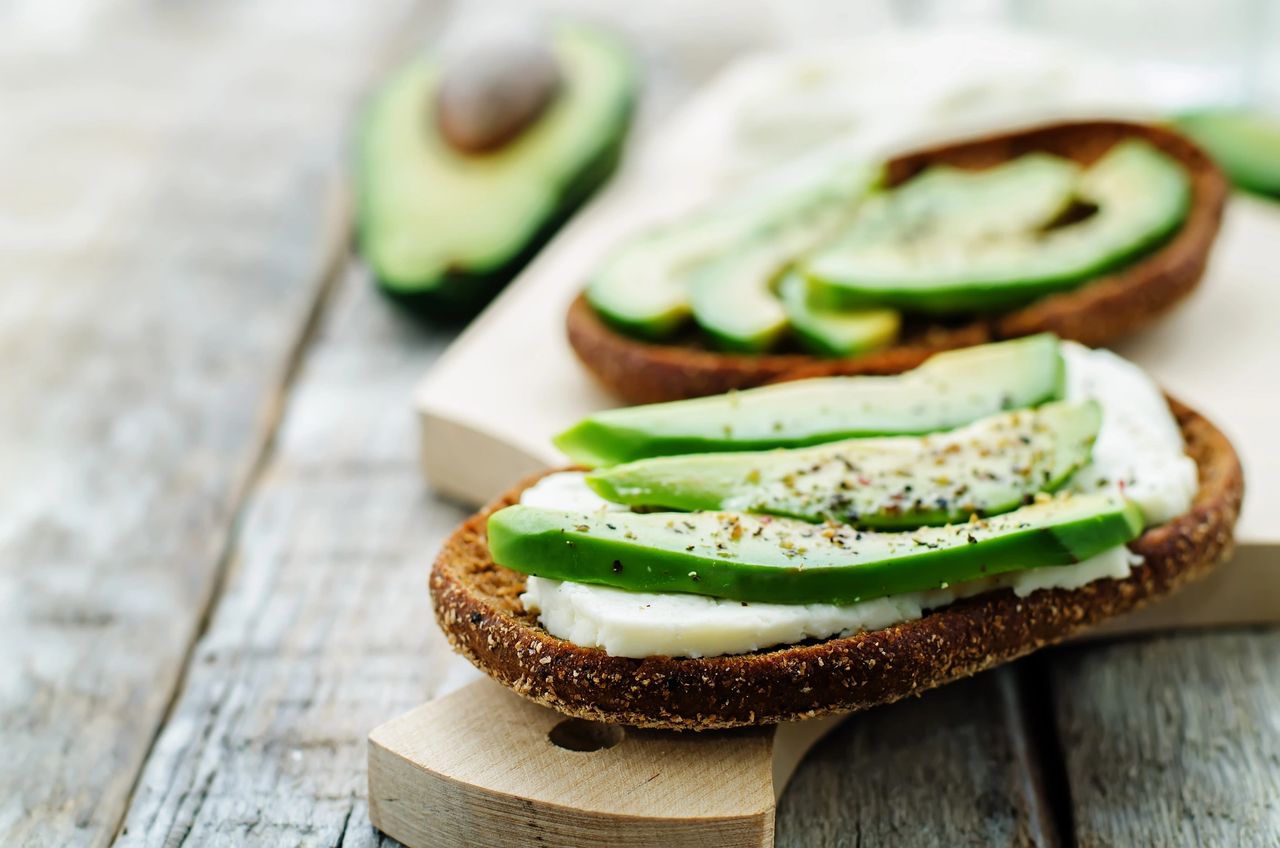
Breakfast: Sourdough with Avocado and Egg
- One slice of whole grain sourdough
- Half a mashed avocado
- One poached egg
- Approx. 270 calories, 9 grams protein, 7 grams fiber
This combo delivers healthy fats, slow-digesting carbs, and protein to keep you full.
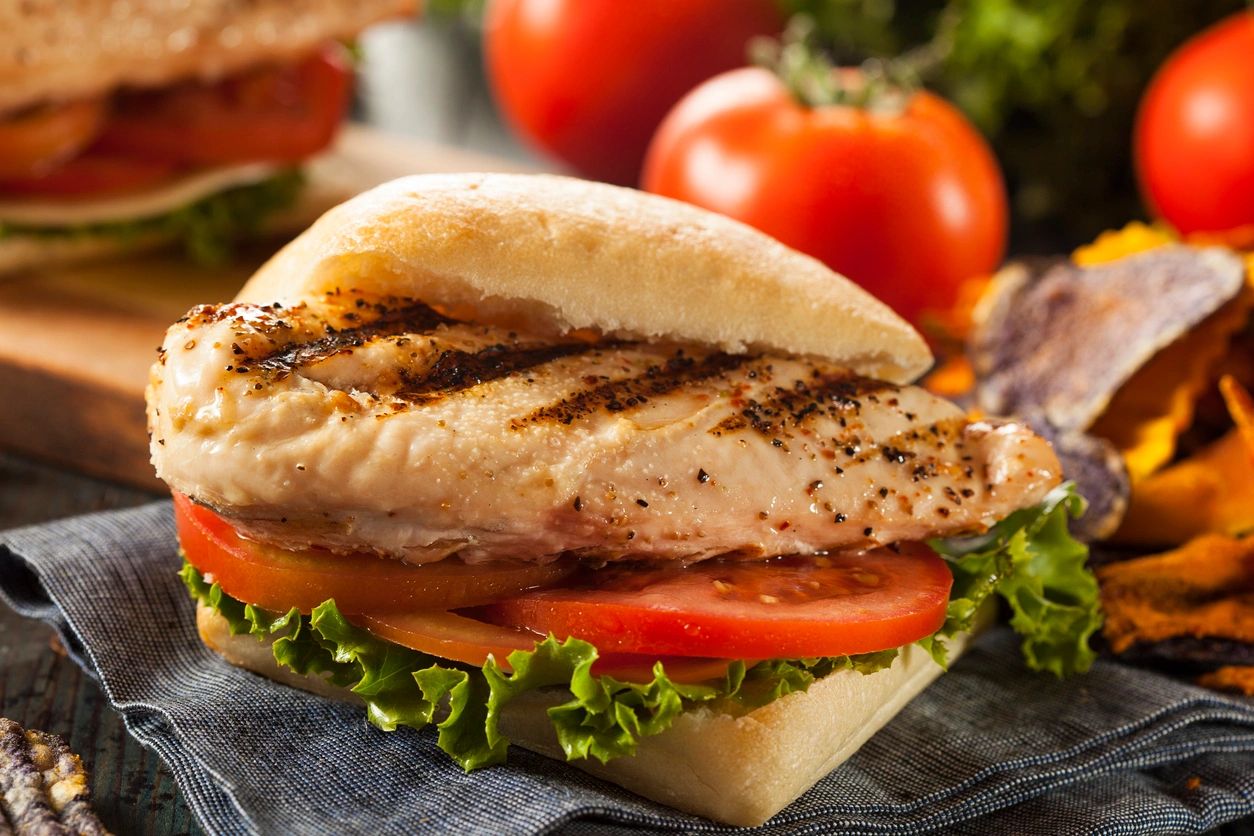
Lunch: Grilled Chicken Sourdough Sandwich
- Two slices of sourdough
- Three ounces grilled chicken
- Fresh spinach, tomato, and a spoon of hummus
- Approx. 430 calories, 30 grams protein, no added sugar
Ideal for energy and recovery during busy afternoons.
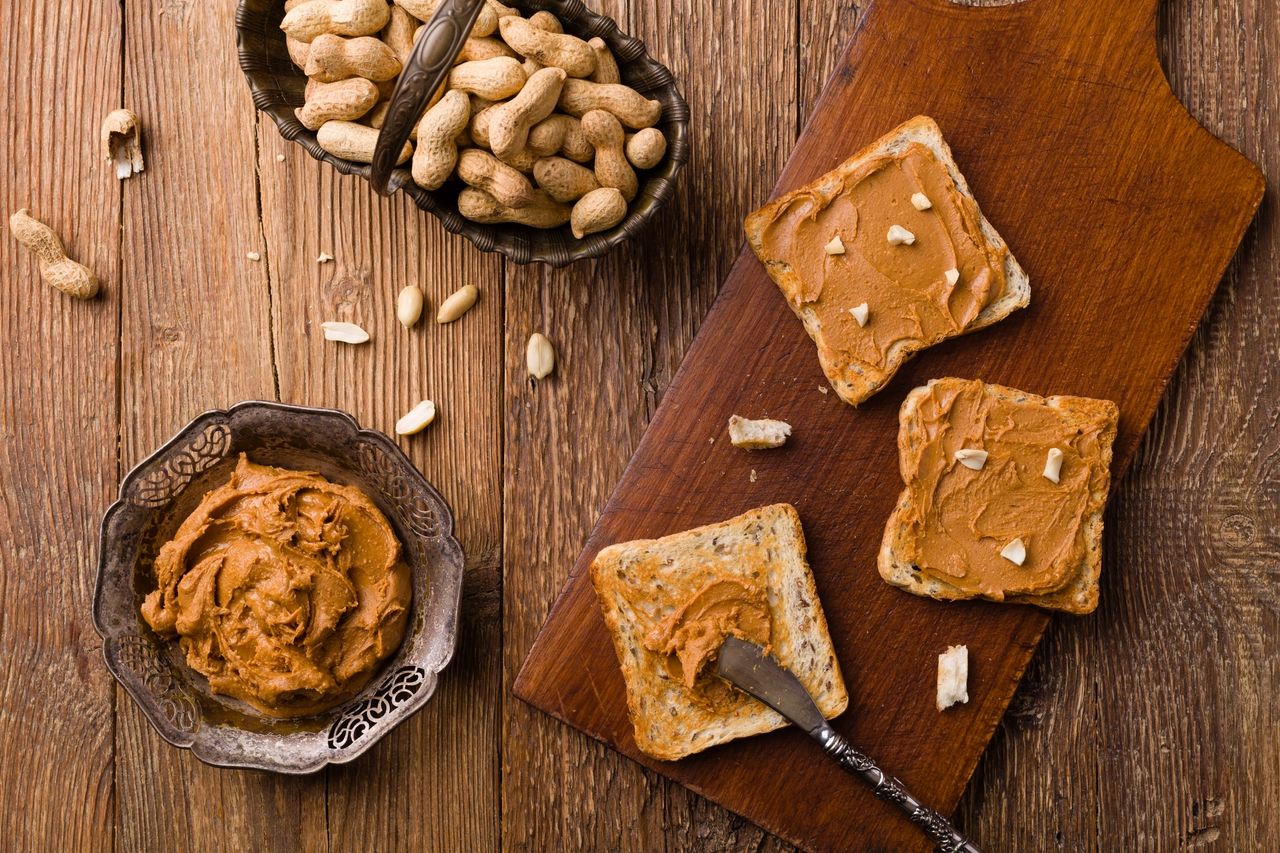
Snack: Nut Butter on Toast
- One slice of sourdough
- One tablespoon almond butter
- Approx. 220 calories, 6 grams protein
A stable, satisfying snack for between meals.

Dinner: Sourdough with Roasted Veggies and Tahini
- One slice sourdough
- One cup roasted carrots and beets
- Drizzle of tahini
- Approx. 250 calories, high fiber and antioxidants
A gut-friendly side with healthy fats and fiber.
Trusted Bread Brands to Look For
Not all sourdough is created equal. Many store brands add yeast and skip fermentation altogether. Look for labels that say “naturally leavened” or “fermented for 12+ hours.”
Here are a few dependable options:
- Dave’s Killer Bread (Power seed) – High fiber, organic, and no preservatives.
- Ezekiel 4:9 – Sprouted, sugar-free, and complete plant protein.
- Alvarado Street Bakery – Real sourdough with sprouted whole grains.
- Trader Joe’s Sourdough – Short ingredient list, wild-fermented.
- Silver Hills Bakery – Multigrain sourdough with sprouted grains and no additives.
FAQs
Is sourdough gluten-free?
No, but it may be easier to digest due to its fermentation. It’s not suitable for people with celiac disease.
Does sourdough help with weight loss?
It can help by improving satiety and supporting blood sugar control, but total calorie balance still matters.
How can I tell if it’s real sourdough?
Look for terms like “wild fermented,” “no commercial yeast,” or “long fermentation.” Avoid brands that just say “sourdough flavor.”
Is it safe for diabetics?
Sourdough bread may have a lower glycemic impact, but portion control and balanced meals are still important.
Final Thoughts
Sourdough isn’t just a trend—it’s a traditional, nutrient-rich food with benefits that modern bread often lacks. Backed by science and ideal for daily clean eating, it’s one of the simplest upgrades you can make in your diet.
Look for high-quality loaves, build balanced meals around them, and enjoy better digestion, energy, and long-term health—without giving up bread.
This article is for informational purposes only and does not constitute medical advice. Always consult with a qualified healthcare professional before making changes to your supplement, nutrition, or fitness routine, especially if you are pregnant, nursing, taking medication, or managing a health condition.
Share :

