
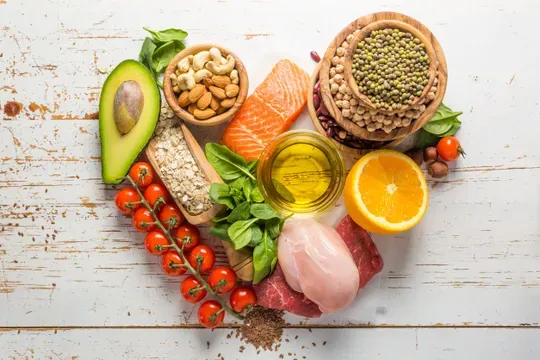
Modern life can sap our energy and weaken our immunity. A growing body of research highlights several “super‑vitamins” and micronutrients that play outsized roles in mood regulation, immune defense and cellular energy. Here’s what these nutrients do, where to find them and how to include them safely in your routine.
What Makes a Nutrient “Super”?
While all vitamins and minerals are important, certain micronutrients act as metabolic regulators or potent antioxidants, influencing mood, immune response and energy production. The four highlighted here—vitamin D, omega‑3 fatty acids, magnesium and antioxidants—are often lacking in modern diets. Deficiencies can contribute to fatigue, lowered immunity and chronic inflammation.
Vitamin D – The Sunshine Hormone
Vitamin D is technically a pro‑hormone. Our skin synthesizes it from sunlight, but dietary sources and supplements are also important. UnityPoint Health notes that vitamin D supports calcium absorption for bone health, promotes a healthy brain, heart and lungs, helps regulate insulin levels, and keeps energy and mood up. Deficiency is common, especially in people who spend little time outdoors or live in northern latitudes. Symptoms include fatigue, bone pain and frequent illness.
How much? Most adults need 600–800 IU per day, though some experts recommend 1,000–2,000 IU for those at risk of deficiency. Because diet alone rarely provides enough vitamin D, moderate sun exposure (10–20 minutes midday, a few times per week) and supplements may be necessary.
Sources: Fatty fish (salmon, tuna, sardines), fortified dairy or plant milks, egg yolks, and mushrooms provide vitamin D unitypoint.org.
Omega‑3 Fatty Acids – Fuel for Brain and Heart
Omega‑3 fats include alpha‑linolenic acid (ALA), eicosapentaenoic acid (EPA) and docosahexaenoic acid (DHA). The American Heart Association reports that omega‑3s support heart and brain health, boost the immune system, reduce inflammation and lower blood pressure and triglycerides. Despite these benefits, most adults consume very little EPA and DHA. To increase intake, the AHA recommends two servings of fatty fish per week. Plant‑based sources like walnuts, chia seeds and flaxseed provide ALA, which the body can convert (inefficiently) into EPA and DHA.
Supplements: Fish‑oil capsules can help people who don’t eat fish. Studies suggest 3 grams per day of EPA and DHA combined may lower blood pressure. However, supplements aren’t regulated as strictly as medications; talk to a doctor before starting and prioritize whole foods heart.org.
Magnesium – The Calm Mineral
Magnesium participates in hundreds of enzymatic reactions and is vital for nerve and muscle function. Cleveland Clinic psychiatrist Dr. Joseph Austerman notes that magnesium helps regulate cortisol (a stress hormone) and balances neurotransmitters, which can help ease anxiety. Magnesium deficiency is common about 70% of Americans may not meet daily requirements and low levels are linked to fatigue, irritability and poor sleep.
How much? Adult men generally need 400–420 mg per day and women need 310–320 mg. Before turning to supplements, increase intake of magnesium‑rich foods like nuts, legumes, whole grains, low‑fat dairy and leafy greens. Certain forms, such as magnesium glycinate, may be better absorbed and can help improve sleep and reduce inflammation health.clevelandclinic.org.
Antioxidants – Defenders Against Free Radicals
Antioxidants are substances that neutralize free radicals and unstable molecules that damage DNA, lipids and proteins. Harvard Health explains that vitamins C and E, along with minerals like copper and selenium, have antioxidant properties. Plant compounds like carotenoids (lycopene, lutein) and flavonoids (anthocyanins in berries, flavanols in cocoa, catechins in green tea) also act as antioxidants. These molecules protect against cellular damage and may reduce the risk of chronic diseases. However, Harvard notes that high‑dose antioxidant supplements have not consistently shown benefits and may even cause harm.
Sources: Brightly colored fruits and vegetables such as berries, citrus, carrots, tomatoes and leafy greens are packed with antioxidant vitamins and phytochemicals health.harvard.edu. Nuts, seeds, and whole grains also contribute beneficial micronutrients.
How to Incorporate Super‑Vitamins Into Your Day
- Get tested and personalize. Ask your doctor to check your vitamin D and magnesium levels. Knowing where you start helps tailor supplementation.
- Eat a colorful, balanced diet. Fill half your plate with vegetables and fruits; include fatty fish twice per week; and add nuts, seeds, legumes and whole grains for magnesium and ALA.
- Enjoy the outdoors safely. Moderate sun exposure boosts vitamin D production, but wear sunscreen and avoid prolonged midday sun to lower skin‑cancer risk unitypoint.org.
- Supplement wisely. If tests reveal deficiencies, a vitamin D supplement (800–2,000 IU/day) or fish‑oil capsule may be appropriate. Choose quality products and talk to a healthcare professional to avoid over‑supplementation.
- Pair fat‑soluble vitamins with healthy fats. Vitamins A, D, E and K are better absorbed with dietary fat. Add avocado or olive oil to salads and smoothies to enhance absorption.
- Stay hydrated and active. Adequate water and regular exercise support nutrient metabolism and overall wellness.
FAQ: Your Questions About Super-Vitamins Answered
Can I get enough vitamin D from food alone? Most people can’t meet their vitamin D needs through food alone. Fatty fish and fortified foods help, but moderate sunlight or supplements are often needed unitypoint.org.
Do omega‑3 supplements prevent heart disease? Fish‑oil capsules may lower triglycerides and offer modest heart benefits, but they don’t replace a heart‑healthy lifestyle. The AHA stresses that supplements cannot prevent heart disease on their own heart.org.
How do I know if I need more magnesium? Signs of deficiency include muscle cramps, fatigue and sleep problems. Start by eating magnesium‑rich foods; if symptoms persist, consult your doctor for testing health.clevelandclinic.org.
Are antioxidant supplements safe? Whole‑food antioxidants are safe and beneficial. High‑dose supplements haven’t consistently shown benefits and may be harmful health.harvard.edu. Focus on a diet rich in fruits, vegetables and whole grains.
The Bottom Line
Nutrients like vitamin D, omega‑3 fatty acids, magnesium and antioxidants play outsized roles in supporting immune function, mood and energy. These “super‑vitamins” aren’t magic bullets, but when combined with a balanced diet, regular exercise and prudent sun exposure, they help build resilience and fight age‑related decline. Always work with a healthcare provider to tailor supplementation and lifestyle strategies to your individual needs.
Next Up on BeeFit.ai
- Try our Smart Meal Templates for Hormone Balance
- Or explore how Gut Health Supports Mood & Energy
This article is for informational purposes only. Always consult a healthcare provider before using supplements or making major lifestyle changes.
Share :

