
Quick Take
- Cruciferous vegetables like broccoli release sulforaphane, a compound that activates the body’s detoxification pathways and inhibits cancer cell growth.
- Daily nut consumption is linked to a 35% reduced risk of heart disease, despite their caloric density, due to healthy fats and fiber.
- Beans, eaten twice weekly, are associated with a 50% lower risk of colon cancer, acting as a nutrient-dense starch that stabilizes blood sugar.
- Cooked tomatoes provide 10 times more bioavailable lycopene than raw, offering enhanced protection against prostate cancer and UV skin damage.
What we eat has the potential to help us or harm us. Our addiction to processed food offers insufficient nourishment and is the cause of illnesses like obesity, cardiovascular disease, and type 2 diabetes. It doesn’t have to be this way—we should eat foods that leave us energized, reduce our risk of illness, and allow us to maintain a healthy weight. To live longer and be healthier, we have to fuel our bodies with nutrient-dense foods. Natural plant foods can restore our health and vitality.
Here are the 12 best foods for longevity that you should incorporate into your diet:
1. Cruciferous Vegetables
These are vegetable powerhouses with the unique ability to modify human hormones, activate the body’s natural detoxification system, and inhibit the growth of cancerous cells. Cruciferous vegetables should be chewed thoroughly or eaten shredded, chopped, juiced, or blended to release their potent anti-cancer properties.
Key Benefits:
- Protects blood vessel walls from inflammation.
- Rich in sulforaphane, a compound that fights cancer and heart disease.
Examples: Broccoli, cauliflower, Brussels sprouts, kale, cabbage.
Learn more about the benefits of cruciferous vegetables in our article: Why Cruciferous Vegetables Are a Must for Longevity.
2. Salad Greens
Raw, leafy green vegetables—some of which are cruciferous—contain fewer than 100 calories per pound, making them ideal for weight control. Studies show that eating a large salad at the beginning of a meal reduces overall calorie intake.
Key Benefits:
- Reduces the risk of heart attack, stroke, diabetes, and cancer.
- Rich in folate, lutein, and zeaxanthin, which protect eye health.
Examples: Kale, spinach, arugula, romaine lettuce.
Tip: Add nuts or seeds to your salad to enhance the absorption of fat-soluble nutrients.
3. Nuts
Nuts are a high-nutrient source of healthy fats, plant protein, fiber, antioxidants, and minerals. Despite their caloric density, nut consumption is linked to lower body weight and a reduced risk of heart disease.
Key Benefits:
- Lowers cholesterol and reduces heart disease risk by 35%.
- Helps control blood sugar levels.
Examples: Walnuts, almonds, cashews, pistachios.
Discover more in our guide: Top 5 Nuts for Heart Health.
4. Seeds
Seeds are nutritional powerhouses, offering healthy fats, protein, and trace minerals. They are especially rich in omega-3 fats and lignans, which have anti-cancer properties.
Key Benefits:
- Supports brain health and reduces inflammation.
- Rich in zinc, calcium, and vitamin E.
Examples: Flaxseeds, chia seeds, hemp seeds, pumpkin seeds.
Tip: Add chia or flaxseeds to smoothies or oatmeal for an easy nutrient boost.
5. Berries
Berries are antioxidant-rich fruits that are incredibly heart-healthy. Regular consumption can improve blood pressure, cholesterol levels, and cognitive function.
Key Benefits:
- Reduces oxidative stress and inflammation.
- Helps prevent cognitive decline with aging.
Examples: Blueberries, strawberries, raspberries, goji berries.
Check out our article: The Health Benefits of Berries for Brain and Heart Health.
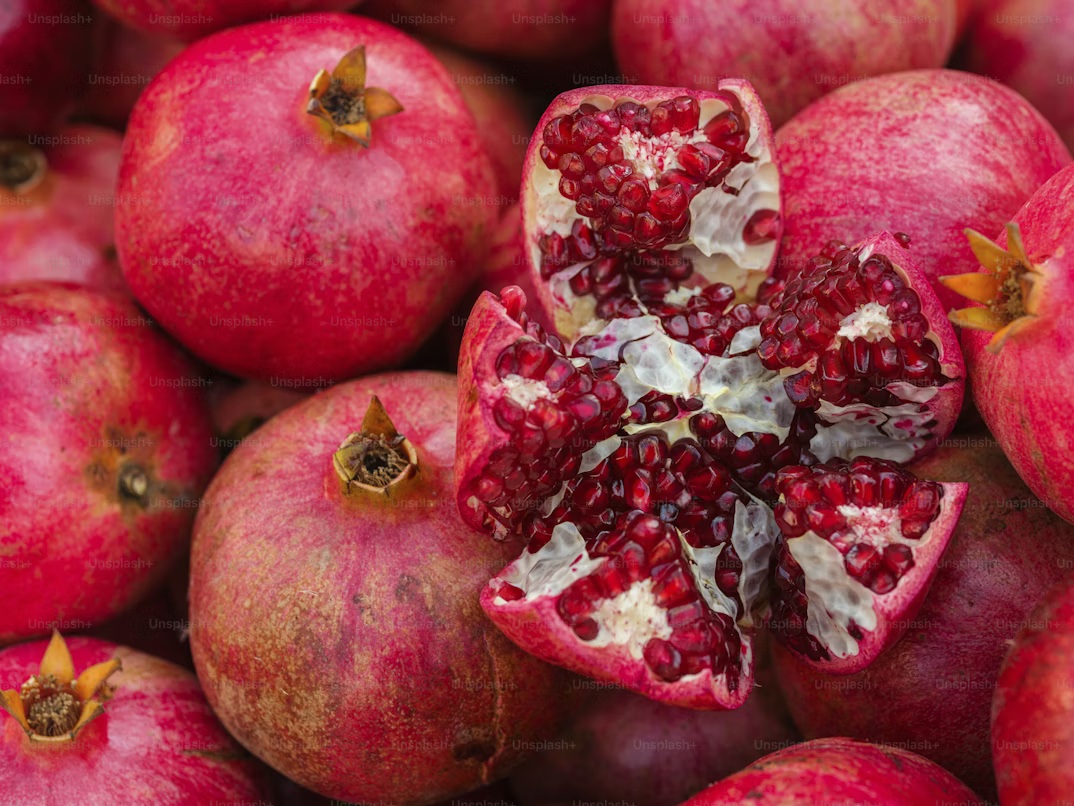
6. Pomegranate
Pomegranates are unique fruits packed with punicalagin, a potent antioxidant. They offer anti-cancer, heart-protective, and brain-healthy benefits.
Key Benefits:
- Reduces atherosclerotic plaque by 30% in heart disease patients.
- Improves memory and cognitive function.
Tip: Score the fruit, twist it open, and tap the back with a spoon to release the arils.
7. Beans
Beans are a nutrient-dense starch source that stabilizes blood sugar, reduces appetite, and protects against colon cancer.
Key Benefits:
- Lowers colon cancer risk by 50% when eaten twice a week.
- Promotes satiety and aids in weight loss.
Examples: Black beans, chickpeas, lentils, kidney beans.
Learn more: Why Beans Are a Superfood for Longevity.
8. Mushrooms
Mushrooms are rich in compounds that inhibit estrogen production, making them particularly protective against breast cancer.
Key Benefits:
- Boosts immune function and reduces inflammation.
- Prevents DNA damage and slows cancer cell growth.
Examples: Shiitake, oyster, maitake, portobello.
Tip: Always cook mushrooms to reduce agaritine, a potentially harmful compound.
9. Onions and Garlic
These allium vegetables are known for their organosulfur compounds, which have anti-cancer, anti-diabetic, and heart-protective effects.
Key Benefits:
- Lowers the risk of gastric and prostate cancers.
- Supports cardiovascular and immune health.
Examples: Garlic, leeks, scallions, shallots.
10. Tomatoes
Tomatoes are rich in lycopene, a powerful antioxidant that protects against prostate cancer, UV skin damage, and heart disease.
Key Benefits:
- Cooked tomatoes provide 10 times more lycopene than raw ones.
- Best absorbed with healthy fats, like nuts or avocado.
Tip: Choose tomatoes in glass jars instead of cans to avoid BPA.
11. Avocados
Avocados are packed with heart-healthy monounsaturated fats, fiber, and potassium. They support weight management and reduce inflammation.
Key Benefits:
- Improves cholesterol levels and reduces heart disease risk.
- Enhances the absorption of fat-soluble vitamins.
Tip: Add avocado to salads, smoothies, or toast for a nutrient boost.
12. Green Tea
Green tea is rich in catechins, antioxidants that protect against cancer, improve brain function, and promote heart health.
Key Benefits:
- Reduces the risk of cardiovascular disease and stroke.
- Supports weight loss and metabolic health.
Tip: Drink 2–3 cups daily for maximum benefits.
Explore more in our article: The Science Behind Green Tea and Longevity.
FAQ: Your Longevity Diet Questions, Answered
Q: Do I need to eat all 12 of these foods every day?
A: No. The goal is regular inclusion, not daily perfection. Aim to incorporate a variety of these foods throughout your week. For example, have nuts or seeds daily, cruciferous vegetables most days, and beans several times a week to build a cumulative, protective effect.
Q: Are cooked vegetables less nutritious than raw for longevity?
A: It depends on the vegetable. For cruciferous veggies (broccoli, kale), light steaming can enhance the availability of sulforaphane. For tomatoes, cooking significantly increases the bioavailability of the antioxidant lycopene. A mix of raw (like salad greens) and properly cooked vegetables is ideal.
Q: How can I afford to eat these longevity foods regularly?
A: Focus on cost-effective staples: buy beans, lentils, and oats in bulk; choose frozen berries and cruciferous vegetables, which are equally nutritious and often cheaper; and incorporate affordable seeds like flax or sunflower. Prioritizing plants over expensive meat and processed foods can actually reduce your grocery bill.
Q: Is organic necessary for these foods?
A: While organic can reduce pesticide exposure, eating conventional fruits and vegetables is far better than not eating them at all. If prioritizing, refer to the Environmental Working Group’s “Dirty Dozen” list berries, kale, and spinach often rank high for pesticide residue, so consider organic for those if possible.
Q: Can supplements replace these longevity foods?
A: No. Supplements cannot replicate the synergistic combination of fiber, antioxidants, healthy fats, and thousands of phytonutrients found in whole foods. The health benefits are linked to the whole food matrix. Use supplements only to address specific, diagnosed deficiencies (like Vitamin D), not as a substitute for a nutrient-dense diet.
A Longevity Diet Blueprint
Incorporating these 12 foods into your diet can help you live a longer, healthier life. From cruciferous vegetables to green tea, each food offers unique benefits that support your overall well-being.
Ready to take control of your health? Sign up for BeeFit today and get personalized meal plans, nutrition tips, and expert guidance tailored to your goals.
Explore more research-backed articles on nutrition and longevity in our blog.
This article is based on research and general nutritional guidelines. It is not a substitute for medical advice. Always consult a healthcare provider for personalized dietary recommendations.
Share :

