
Quick Take
- Combining steel-cut and rolled oats creates a bowl with 40% more fiber and a 50% lower glycemic impact than using instant oats alone.
- Steel-cut oats have a firmer texture because they are chopped, not rolled and pre-steamed, preserving their resistant starch content.
- A 1:1 ratio of milk to water, as used in British porridge, optimizes creaminess without excessive calories or heaviness.
- Adding a pinch of salt during cooking, not after, enhances the natural nutty flavor of oats by balancing bitterness on the tongue.
Oatmeal suffers from a reputation problem: often seen as a bland, mushy obligation rather than a culinary delight. The culprit isn’t the oat itself, but a modern preference for ultra-convenience that sacrifices texture, flavor, and nutritional potency. The British, with their centuries-old porridge tradition, never lost the plot. Their method isn’t a recipe but it’s a masterclass in texture engineering and nutritional wisdom.
This approach reveals that the secret to transcendent oatmeal isn’t a fancy topping you add at the end, but a fundamental choice you make at the start: using two different oats to build a better bowl from the ground up.
Does Mixing Oat Types Actually Change the Nutrition?
Direct Answer: Yes, significantly. Combining a slower-cooking oat (steel-cut) with a faster-cooking one (rolled) creates a composite glycemic response, leading to more stable blood sugar and prolonged satiety compared to using either type alone.
Explanation & Evidence:
Steel-cut oats are whole oat groats chopped into pieces. This minimal processing preserves the grain’s intact fiber matrix, which slows the rate at which enzymes break down starch into sugar. Rolled oats are steamed and flattened, which slightly increases their glycemic index (GI). By mixing them, you get the immediate creaminess of rolled oats with the slow-digesting “anchor” of steel-cut oats, smoothing out the energy release.
Research in the American Journal of Clinical Nutrition shows that “the structural integrity of the oat kernel is a primary determinant of its glycemic response. Less processed forms, like steel-cut, produce a significantly lower and slower blood glucose and insulin rise.”
This isn’t just about feeling full; it’s about providing your body and brain with steady, drip-fed energy instead of a spike and crash.
Your Application
Use a 1:1 ratio of steel-cut to rolled oats. This balances cooking time, texture, and the glycemic benefits. Avoid instant oats for this method, as their pre-gelatinized starch undermines the goal.
Why Does the British Method Use Both Water and Milk?
Direct Answer: Using a 1:1 ratio of milk and water leverages the best of both liquids: water allows the oats to swell and cook thoroughly without scorching, while milk (dairy or plant-based) adds creaminess, protein, and flavor through Maillard browning reactions.
Explanation & Evidence:
Cooking oats in pure milk can lead to a heavy, overly rich consistency and increase the risk of burning due to milk’s sugars and proteins. Pure water yields a clean but potentially bland and less creamy result. The British hybrid method is a culinary optimization. The water ensures even hydration and cooking of the starch granules. The milk, added from the start, contributes lactose and proteins that gently caramelize, creating deeper, nuttier flavor compounds and a luxuriously creamy mouthfeel.
Culinary science notes that “cooking grains in a milk-water blend improves palatability and nutrient density. The milk proteins coat the starch granules, contributing to a smoother texture and enhanced perception of creaminess.”
This technique delivers restaurant-quality richness using pantry staples.
Your Application
Bring your liquid to a simmer first (1 cup water + 1 cup milk), then stir in your oat mix. This prevents clumping and ensures even cooking. Use whole milk or a creamy, unsweetened plant milk like oat or cashew for the best results.
Is the Cooking Time Really That Important?
Direct Answer: Absolutely. Undercooking (under 10 minutes) leaves steel-cut oats unpleasantly gritty and hard to digest. Overcooking (over 20 minutes) turns the entire pot into a gummy, flavorless paste. The 15-minute target is the sweet spot for texture development.
Explanation & Evidence:
The perfect oatmeal texture is a balance of starch gelatinization and structural integrity. Steel-cut oats need sufficient time (12-15 mins) in simmering liquid for their dense interior to fully hydrate and soften. Rolled oats begin to break down and release their starch within 5-7 minutes, providing the creamy binder. Cooking them together for 15 minutes allows the rolled oats’ starch to thicken the liquid just as the steel-cut oats achieve an al dente chew.
Food texture studies define the ideal porridge as having “a heterogeneous texture with a continuous, creamy phase interrupted by discrete, chewy particles,” which is achieved through controlled starch release from multiple oat forms.
Rushing the process with high heat creates an uneven, scorched mess. Patience is a key ingredient.
Your Application
Cook over low-medium heat at a gentle simmer, stirring occasionally. When the porridge coats the back of a spoon and the steel-cut oats are tender but not mushy, it’s done. Let it sit, covered, for 2 minutes off heat to finish thickening.
What’s the Scientific Reason for Adding Salt to Sweet Oatmeal?
Direct Answer: Salt is a flavor enhancer that suppresses bitterness and amplifies the natural nutty, toasty flavors of the oats themselves, making any added sweetness taste more pronounced and complex.
Explanation & Evidence:
Oats contain subtle bitter compounds. Sodium ions from salt interfere with the tongue’s ability to taste bitterness, effectively muting those off-notes. Simultaneously, salt amplifies our perception of other flavors through a neurological process called gustatory contrast. A pinch added during cooking allows it to penetrate the oats, seasoning them from within, rather than just sitting on the surface if added after.
The Institute of Food Technologists explains that “salt at low concentrations acts as a flavor potentiator, reducing the detection threshold for sweet and savory compounds and creating a more rounded and balanced flavor profile.”
Without salt, your oatmeal tastes flat and one-dimensional, forcing you to add more sugar to make it palatable.
Your Application
Add a generous pinch of kosher or sea salt (about ¼ tsp) to the pot with the oats and liquid at the beginning of cooking. You shouldn’t taste “saltiness,” just a deeper, fuller oat flavor.
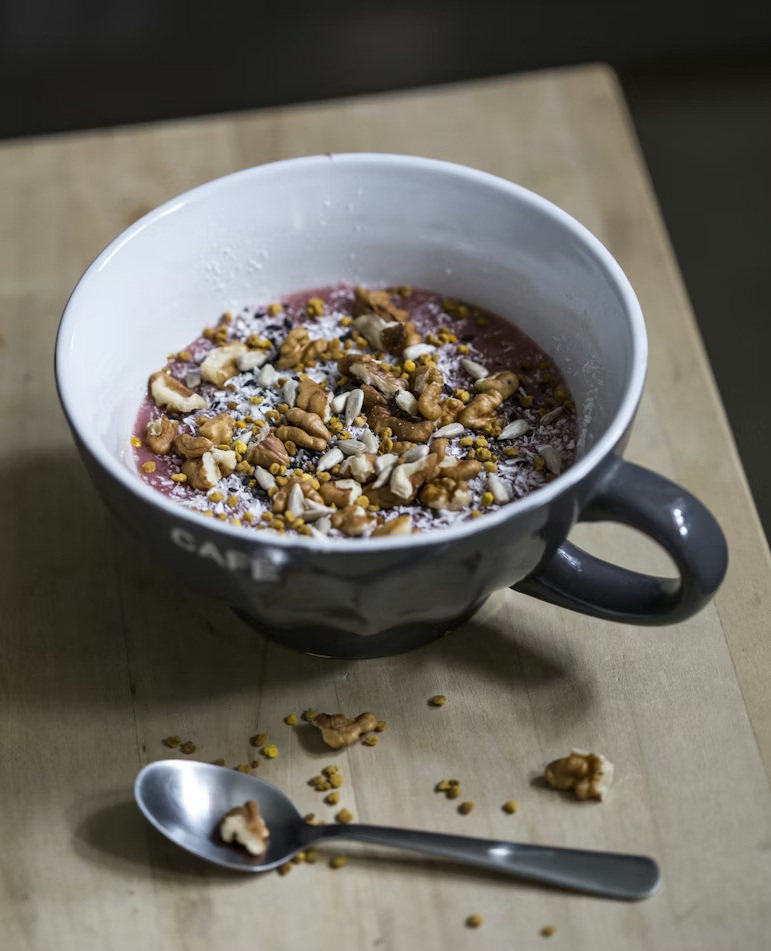
How Can Toppings Transform the Functional Benefits?
Direct Answer: Strategic toppings can turn a carbohydrate-centric bowl into a balanced, functional meal by adding missing macronutrients (protein, fat) and micronutrients (antioxidants, minerals) that enhance metabolism, satiety, and nutrition.
Explanation & Evidence:
A bowl of plain oats is primarily carbohydrates. Toppings are an opportunity to complete the meal. Fat (nuts, seeds, nut butter) slows gastric emptying and increases satiety hormones. Protein (Greek yogurt, collagen, hemp seeds) provides the amino acids necessary to turn the meal’s energy into muscle repair and upkeep. Fiber & Antioxidants (berries, cinnamon, flax) feed gut bacteria and combat inflammation.
A study on meal composition found that “adding a source of protein and fat to a high-carbohydrate meal significantly blunted the postprandial glucose and insulin response and increased feelings of fullness for up to 4 hours longer.”
Your toppings should be intentional additions, not just decorative extras.
Your Application
Follow the “Fat-Fiber-Protein” rule. Choose one from each category per bowl. Example: Fat (1 tbsp almond butter), Fiber (½ cup berries), Protein (¼ cup Greek yogurt or a scoop of collagen peptides stirred in).
FAQ: Your Oatmeal Upgrade Questions, Answered
Q: Can I make this British-style oatmeal ahead of time?
A: Yes, but with a caveat. Cook as directed, then cool and store in the fridge for up to 4 days. The steel-cut oats will continue to absorb liquid, making it very thick. Reheat with a splash of extra milk or water to restore the creamy consistency. The texture holds up better than overnight oats made with only rolled oats.
Q: What’s the best plant-based milk to use?
A: For creaminess and neutral flavor, unsweetened oat milk or cashew milk are excellent. They have a naturally creamy texture and don’t overpower the oat flavor. Avoid strongly flavored milks (like some coconut or hemp) unless you enjoy that taste profile.
Q: Is this method suitable for people with gluten sensitivity?
A: Oats are naturally gluten-free but are often cross-contaminated. You must use certified gluten-free oats (both steel-cut and rolled) if you have celiac disease or a severe sensitivity. The method itself is perfectly suitable.
Q: How can I make it more protein-packed without powder?
A: Stir in ¼ cup of cottage cheese at the end of cooking (it melts in creamy), top with a heaping spoonful of Greek yogurt, or mix in two beaten eggs during the last 2 minutes of cooking, stirring constantly for a rich, “custardy” texture.
Q: Why do my oats always boil over?
A: Oat starch creates a foam that traps steam. Use a larger pot than you think you need (a 3-quart saucepan for a double batch) and maintain the gentlest possible simmer—just a few bubbles breaking the surface. A watchful eye and occasional stir are the best prevention.
The humble bowl of oatmeal is a blank canvas, but most of us are painting with only one color. The British method teaches us that by layering textures and respecting process, we can transform a simple grain into a complex, satisfying, and deeply nourishing meal. It’s a reminder that the best upgrades aren’t about adding more, but about starting smarter.
Inspired to revolutionize your breakfast? Explore our collection of scientifically optimized breakfast recipes for more morning fuel ideas at BeeFit.ai.
This article is for informational purposes only and is not a substitute for professional medical advice, diagnosis, or treatment. Always seek the advice of your physician or a registered dietitian before making significant changes to your diet.
Share :

