
Quick Take
- Traditional sports drinks often act as sugary obstacles to recovery, delivering up to 34g of sugar that can spike insulin and promote fat storage instead of optimal rehydration.
- Natural alternatives like coconut water and tart cherry juice provide superior electrolytes and antioxidants, directly combating inflammation and muscle soreness with clinical backing.
- Effective hydration is rooted in simplicity and intention—a DIY electrolyte mix or infused water can outperform costly, artificially engineered beverages.
- The goal of a post-workout drink should be true physiological restoration, not just flavor and marketing; your choice directly influences muscle repair, sleep quality, and long-term metabolic health.
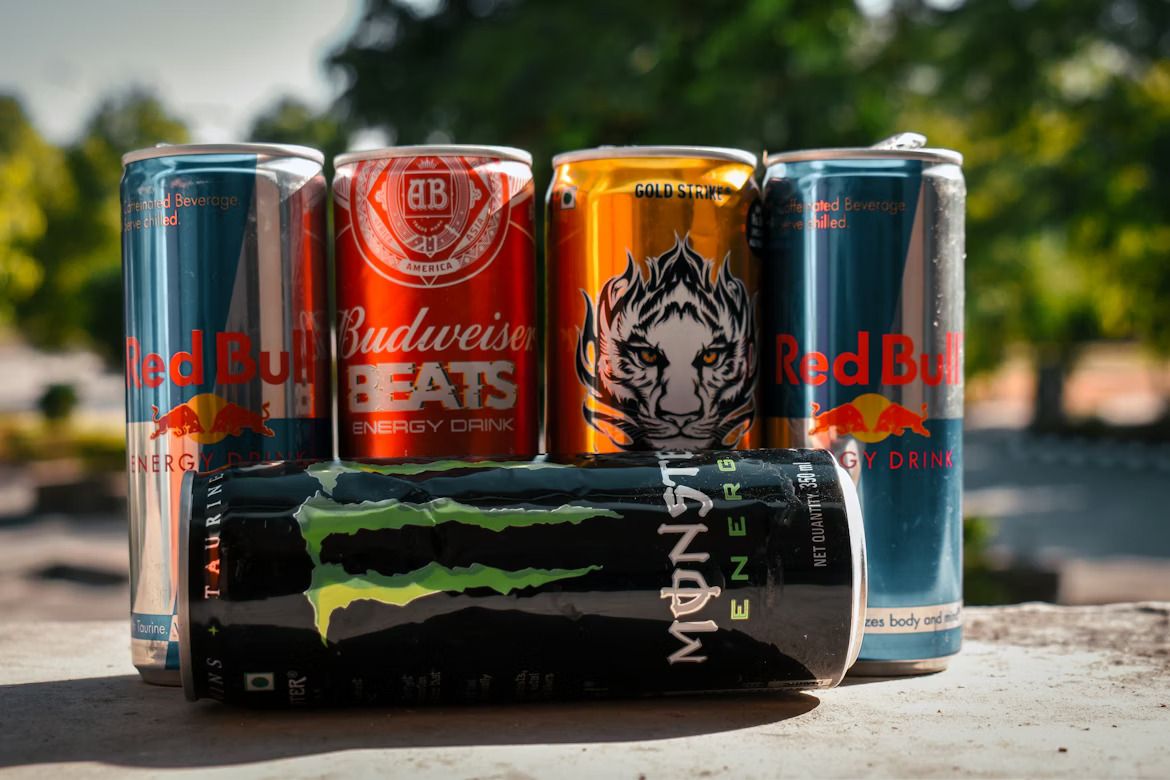
After a tough workout, it’s common to reach for a popular sports drink like Gatorade or an energy drink like Celsius or Red Bull. They promise to rehydrate, energize, and boost performance. But are these brightly colored, heavily marketed beverages truly helping you recover, or are they potentially undermining your long-term health goals?
But beneath the slick marketing lies a less appealing truth: these drinks are often packed with hidden downsides. A standard 20-ounce bottle of Gatorade, for example, contains a staggering 34 grams of sugar nearly as much as a can of soda. Energy drinks can pack excessive amounts of caffeine that interfere with sleep, a crucial component of recovery.
Fortunately, there are smarter, more effective ways to hydrate and refuel your body. This guide reveals six science-backed alternatives that use natural ingredients to support your fitness journey without the unwanted additives.
The Hidden Cost of Your Post-Workout Drink
Before exploring better options, it’s important to understand the two primary problems with many commercial sports and energy drinks.
Sugar Overload, Not Hydration
A 20oz Gatorade contains 34 grams of sugar, which can cause a rapid energy spike followed by a crash. Over time, high sugar intake contributes to weight gain, insulin resistance, and dental problems. Even the “zero sugar” versions are not a perfect solution; they rely on artificial sweeteners that emerging research suggests may negatively affect gut health and insulin response.
Caffeine Jitters vs. Real Recovery
Energy drinks can contain up to 200mg of caffeine per can. While caffeine can enhance performance, excessive amounts can lead to anxiety, heart palpitations, and poor sleep quality. This undermines the very recovery process you need after training by disrupting sleep and raising stress hormones, leaving you tired and stressed rather than restored.
Six Science-Backed Alternatives to Fuel Your Fitness
The best alternatives provide effective hydration and recovery support using natural ingredients. Here are six expert-approved options to fuel your body the right way.
1. Nature’s Electrolyte Drink: Coconut Water
Coconut water is a natural source of key electrolytes like potassium, sodium, and magnesium, all of which are essential for muscle function and recovery. Unlike commercial drinks, it delivers these benefits without synthetic additives or artificial colors.
A 2012 study in the Journal of the International Society of Sports Nutrition found that coconut water replenishes hydration just as effectively as commercial sports drinks.
This profile positions coconut water as an ideal choice for clean, light, post-workout hydration.
2. The Ultimate Recovery Hack: Tart Cherry Juice
Tart cherry juice is a potent tool for reducing muscle soreness and inflammation. Its power comes from a high concentration of antioxidants called anthocyanins. Research published in the Scandinavian Journal of Medicine & Science in Sports found that athletes who drank tart cherry juice experienced significantly less muscle soreness and recovered faster. As a bonus, it contains natural melatonin, which can improve sleep quality, a critical factor in muscle repair.
3. For Smarter Endurance: Water with BCAAs
Adding Branched-Chain Amino Acids (BCAAs) to your water is an excellent strategy, particularly if you perform fasted cardio or strength training, or engage in long endurance sessions. BCAAs help reduce muscle breakdown during exercise and support the repair process afterward. For optimal results, look for a BCAA powder with a 2:1:1 ratio of leucine, isoleucine, and valine. Read more about our favorite BCAA supplements here at BeeFit.ai.
4. The Budget-Friendly Powerhouse: DIY Electrolyte Water
Why buy when you can make your own effective and clean electrolyte drink? This simple recipe supports electrolyte balance and provides a gentle energy boost without artificial ingredients.
- 16 oz filtered water
- 1/8 tsp sea salt
- Juice of half a lemon or orange
- 1 tsp honey or maple syrup
This option is cheap, completely customizable, and free from the artificial ingredients found in store-bought drinks.
5. Calm Energy for Mind and Body: Herbal Teas
Herbal infusions like peppermint, ginger, and green tea offer gentle hydration and a wealth of antioxidants without sugar or excessive stimulants. Green tea is particularly beneficial, as it contains EGCG, an antioxidant compound that has been shown to support fat metabolism. These teas are a perfect way to rehydrate while promoting a sense of calm energy. Link
6. Effortless Hydration: Infused “Spa” Water
Sometimes the simplest solution is the best. Infused water is a zero-calorie way to make hydration more appealing, encouraging you to drink consistently throughout the day. Simply add ingredients like sliced cucumbers, lemon, berries, or mint to a pitcher of water for a refreshing, natural flavor boost.
What About Electrolyte Powders and Tablets?
Convenient electrolyte products like Nuun or LMNT can be excellent tools, especially for serious athletes, individuals training in hot weather, or for travel. They provide controlled ratios of sodium and potassium without the sugar found in traditional sports drinks.
When choosing a product, look for one free of added sugar and artificial dyes. It’s also wise to be mindful of the sodium content, particularly if you are managing hypertension.
Frequently Asked Questions (FAQ)
Q: Are zero-sugar sports drinks a healthy alternative? A: Not necessarily. While they don’t contain sugar, they often use artificial sweeteners that emerging research suggests may negatively affect gut health and insulin response.
Q: What is the best natural drink for muscle soreness? A: Tart cherry juice is an excellent choice. It is rich in antioxidants called anthocyanins, which have been shown in studies to reduce muscle inflammation and speed up recovery.
Q: Can I make my own electrolyte drink at home? A: Yes. A simple and effective DIY electrolyte drink can be made by mixing 16 oz of filtered water with 1/8 tsp of sea salt, the juice of half a lemon or orange, and 1 tsp of honey or maple syrup.
Fuel Smarter, Not Harder
Relying on heavily marketed sports and energy drinks may provide a temporary boost, but smart, sustainable fitness comes from better fuel. True hydration and recovery are rooted in whole ingredients, natural electrolytes, and recovery-enhancing nutrients, not marketing hype and sugar.
Your recovery is earned, not bought in a bottle. The next time you finish a workout, which of these smarter fuels will you choose to honor your effort?
This article is for informational purposes only and does not substitute for medical advice, diagnosis, or treatment. Always consult a healthcare provider before making changes to your diet, supplementation, or fitness routine.
Share :

