
Quick Take
- A light pre-walk meal can improve stamina, energy, and fat burn.
- Combine quick-digesting carbs with a little protein for best results.
- Eat 30–60 minutes before your workout to avoid sluggishness or fatigue.
- Hydration is just as important—start with a full glass of water.
- Great options: banana with almond butter, Greek yogurt with berries, or a slice of toast with peanut butter.
- Training fasted? It may boost fat oxidation but isn’t for everyone.
- Customize your snack depending on your goals—fat loss, energy, or muscle preservation.
Morning cardio is one of the most effective ways to improve heart health, support fat loss, and kickstart your metabolism for the day. But one common mistake I see—even among seasoned clients—is skipping pre-workout nutrition altogether.
Yes, fasted cardio has its place, but for many people, a light, balanced snack before a walk or jog can significantly enhance performance, recovery, and results.
Whether your goal is fat loss, energy balance, or improving consistency, let’s break down what to eat before your morning walk—and why it matters.
Why You Should Eat Before a Morning Walk or Jog
While walking is generally lower in intensity than running or lifting weights, your body still relies on fuel—especially after an overnight fast. Eating something light and strategic before cardio can:
- Boost endurance and stamina
- Prevent fatigue, dizziness, and early energy crashes
- Help preserve lean muscle tissue during fat loss phases
- Support more consistent performance and mood
Research from the American College of Sports Medicine (ACSM) confirms that eating carbohydrates prior to moderate to intense physical activity helps improve exercise performance and prevent muscle breakdown, especially in the morning when glycogen stores are low.
Fasted Cardio vs. Fed Cardio: What’s the Difference?
Fasted cardio has gained popularity for its potential fat-burning benefits, and some research—including a 2020 study in The Journal of Clinical Endocrinology & Metabolism—suggests increased fat oxidation in a fasted state (source).
But here’s what the science actually tells us: fat oxidation doesn’t always equal more fat loss. In fact, a 2014 meta-analysis published in the Journal of the International Society of Sports Nutrition found no significant difference in fat loss between fasted and fed cardio over time.
In practice? If you feel lightheaded, slow, or unmotivated during fasted workouts, you’ll perform worse—and burn fewer calories overall.
Best Pre-Walk Foods: Dietitian-Approved Choices
When choosing what to eat before your morning walk, focus on simple carbs + optional protein, with minimal fat and fiber to aid digestion.
1. Half a Banana + 1 tsp Nut Butter
- Calories: ~120
- Benefits: Fast-digesting carbs, potassium (for muscle function), and a touch of fat to extend energy.
- Why I recommend it: Portable, effective, and easy on the stomach.
2. Plain Greek Yogurt with Berries
- Calories: ~150
- Benefits: High in protein (great for muscle preservation) and naturally sweet from antioxidant-rich berries.
- Bonus: Also a good source of probiotics for gut health.
Learn more about Greek yogurt benefits from RealSimple.com
3. Oatmeal with Cinnamon + Sliced Banana
- Calories: ~180
- Benefits: Provides slow-release energy. Add cinnamon for blood sugar control.
- When it’s best: For 45+ minute walks or pre-run fuel.
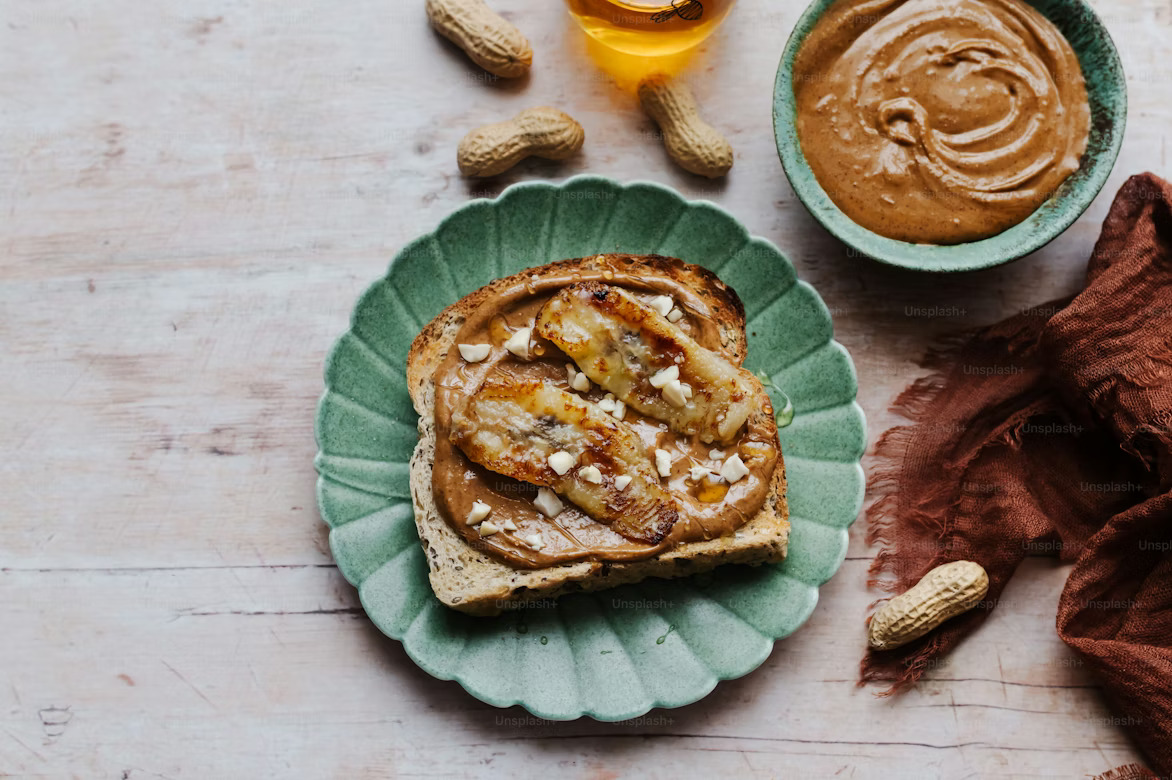
4. Whole-Grain Toast with Natural Peanut Butter
- Calories: ~200
- Benefits: Balanced carbs and protein. Ideal if you’re going for a longer or more intense session.
- Caution: Stick to 1 tbsp PB to keep fats moderate.
5. Hard-Boiled Egg + Small Apple
- Calories: ~160
- Benefits: Quality protein + fast carbs. Great for energy + satiety without feeling heavy.
6. Low-Fat Cottage Cheese with Pineapple
- Calories: ~170
- Benefits: Casein protein digests slowly, keeping you full longer. Pineapple adds simple sugar and enzymes for digestion.
Check out cottage cheese as a pre-workout food on onepeloton.com
7. Protein Shake + Half a Banana
- Calories: ~180–220
- Benefits: Quick, no-prep option with complete amino acids. Add fruit for glucose replenishment.
- Tip: Choose a clean-label whey or vegan protein with under 3g of sugar.
Hydration: Don’t Skip It
Before your walk, aim to drink at least 8–12 oz of water. You lose fluids overnight, and even mild dehydration can impact performance.
For longer sessions (over 60 minutes) or if you’re sweating heavily, consider a low-sugar electrolyte drink like:
Timing Your Meal: When to Eat Before Cardio
- 30–60 minutes pre-walk: Ideal for light snacks (like toast, yogurt, or oatmeal).
- 15–30 minutes before: Choose fast-digesting options like fruit or half a shake.
- Less than 15 minutes: Stick to hydration only or a few sips of sports drink.
Special Considerations Based on Your Goals
- For Fat Loss: Keep it light. A banana, boiled egg, or low-calorie shake is enough.
- For Muscle Maintenance: Add protein pre- or post-walk (yogurt, eggs, shake).
- For Long Walks (60+ mins): Add salt and electrolytes to prevent cramps and energy crashes.
Common Mistakes to Avoid
- Skipping the snack, then crashing halfway through
- Choosing high-fiber or high-fat foods (like granola or nuts) too close to movement
- Drinking sugary “energy drinks” instead of clean fuel
- Eating too much too soon—causing sluggishness
Final Thoughts from a Nutritionist
Your morning walk isn’t just exercise—it’s a ritual that can energize your entire day. And what you eat before lacing up your sneakers matters.
A well-timed, nutrient-balanced snack enhances performance, supports metabolism, and helps you stay consistent—especially if your goal is long-term fat loss or better endurance.
Start with one of the options above, see how you feel, and refine from there. Every body is different, but one principle remains: fuel well, move well, feel well.
This article is for educational purposes only and not a substitute for personalized medical or nutritional advice. Always consult a registered dietitian or licensed healthcare provider before making major changes to your exercise or nutrition routine.
Share :

